Trusted, Skilled Engineers in Detroit, MI
Welcome to your local engineers directory in Detroit, MI. Find trusted professionals in your area.
Map of Businesses in Detroit
All Listings in Detroit
5 businesses
JOINER Services
Engineering consultant
Onyx Enterprise, Inc.
Civil engineering company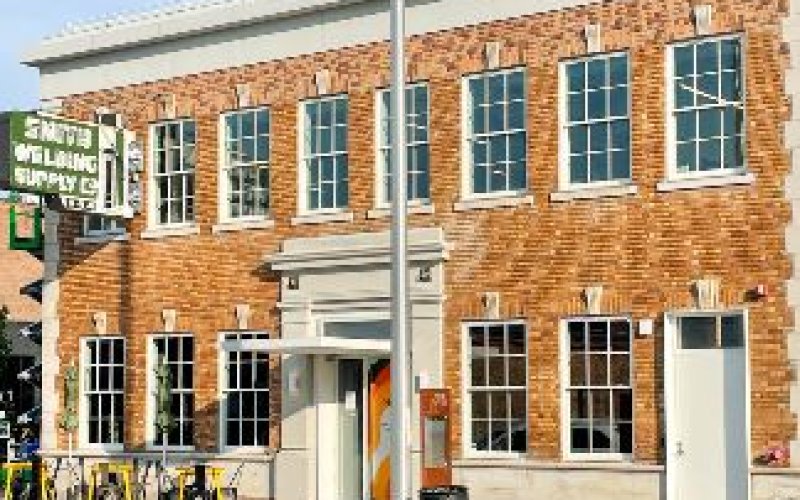
SME
Engineering consultant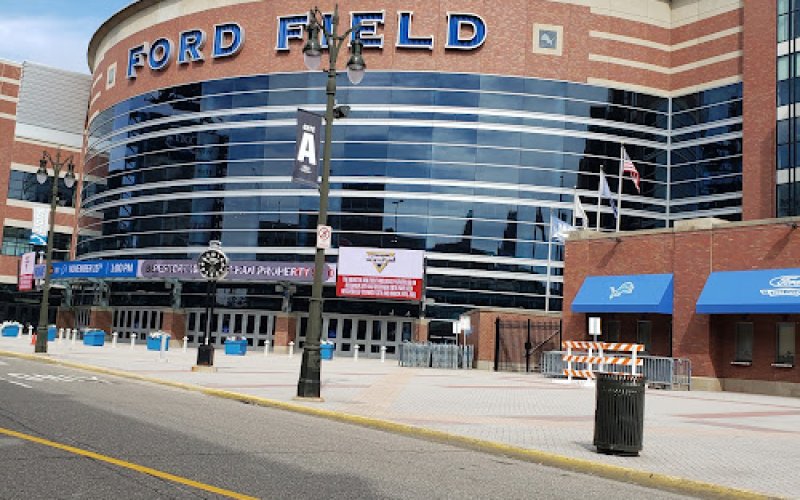
ABE Associates Inc
Engineer
Michigan Engineering Zone
CollegeAbout engineers in Detroit
Here's a number that stopped me mid-coffee at Anna's House on Woodward: Detroit's engineering job postings jumped 18% year-over-year according to recent labor data, even as some Midwest metros flatlined. That's not a fluke. That's Stellantis, that's the Ford mobility push in Corktown, that's a genuine mechanical and civil engineering hiring wave tied directly to the EV manufacturing retrofit happening across Wayne County right now.
The market itself—meaning the actual engineering firms and independent consultants you'd hire for structural, civil, mechanical, or industrial work—has grown to roughly 340 registered firms operating in the metro area, per state licensing records. That's up from around 290 just three years ago. Most of that growth isn't glamorous. It's stormwater management contracts, it's building retrofits on century-old warehouses in Eastern Market, it's the unglamorous infrastructure work nobody posts about on LinkedIn but everybody needs.
Who's buying these services? Split about three ways: municipal/government contracts (roughly 40% of local engineering revenue, driven by Detroit's ongoing infrastructure repair backlog), private developers doing the residential boom in Midtown and West Village, and manufacturing clients retooling for EV production. And look—this is what makes Detroit different from, say, Nashville or Austin's engineering scene. There's less "new build from scratch" work here and way more adaptive reuse, retrofit, and infrastructure repair. You're engineering around 100-year-old bones, not empty lots.
Corktown
- Area Profile: Younger, higher-income newcomers mixed with old Corktown families. Median household income around $58,000, climbing fast since Michigan Central Station reopened.
- engineers Activity: Heavy demand for structural and mechanical engineers tied to mixed-use redevelopment. Ford's mobility campus alone has pulled in a half-dozen engineering subcontractors.
- Price Range: Commercial retrofit projects run $75,000–$400,000 depending on scope.
- Local Note: Historic building codes here are brutal. You need an engineer who's actually navigated Detroit's historic district commission before, not just read about it.
Midtown
- Area Profile: Institutional anchor zone—Wayne State, TechTown, DMC hospital campus. Lots of civil and MEP (mechanical/electrical/plumbing) engineering demand.
- engineers Activity: Hospital expansion projects and university lab builds dominate. Also a steady stream of residential conversion work—old office buildings becoming lofts.
- Price Range: Residential conversion engineering assessments: $8,000–$25,000. Institutional projects easily hit seven figures.
- Local Note: Parking and access constraints here mean civil engineers need real experience with dense urban site logistics.
Eastern Market / Islandview
- Area Profile: Working-class roots, rapidly gentrifying edges. Mix of old warehouse stock and new infill construction.
- engineers Activity: Structural assessments on aging brick warehouses are constant business here. Lots of adaptive reuse work.
- Price Range: Structural inspection/report: $3,500–$12,000. Full retrofit engineering: $50,000+.
- Local Note: A lot of these buildings have undocumented modifications from decades past. Old-timers in the neighborhood will tell you—get the engineer to pull permit history before quoting anything.
📊 Current Price Points:
- Budget options: $2,500–$8,000 (basic residential structural inspections, small permit-drawing packages)
- Mid-range: $15,000–$85,000 (commercial retrofits, multi-unit residential engineering, MEP design packages—most popular segment by volume)
- Premium: $150,000+ (large commercial developments, industrial facility overhauls, institutional projects)
📈 Market Trends: Demand is up roughly 14% from last year, driven mostly by the continued residential conversion boom downtown and infrastructure funding finally trickling down from federal allocations. Supply is tight—experienced structural engineers with Detroit-specific historic building knowledge are genuinely hard to book, some firms quoting 6-8 week waits just for initial consultations. Pricing has drifted upward about 7% on average, partly materials-driven, partly just demand outpacing the number of licensed PEs (Professional Engineers) in the metro. Seasonal patterns matter more here than people expect. Spring and early summer are peak season—everyone wants site work done before Michigan winter shuts down exterior construction. Average time to close a mid-size engineering contract runs 4-6 weeks from initial consult to signed agreement, then project timelines vary wildly (a residential structural report might take 10 days; a full commercial MEP design can run 4-6 months). 💰 What People Are Spending:
- Structural inspections/reports — average $6,800
- Residential conversion engineering — average $18,500
- Commercial retrofit design — average $62,000
- Civil/site engineering for new development — average $95,000
- Environmental/industrial assessments — average $22,000
- Detroit's population has actually ticked up slightly—first sustained growth in decades, about 1.2% over the past two years, mostly concentrated downtown and in Midtown
- Major employers driving engineering demand: Stellantis, Ford (Michigan Central/Corktown campus), DTE Energy, Henry Ford Health, Wayne State University
- Big development projects: Michigan Central Station redevelopment, the Hudson's site tower downtown, Gordie Howe Bridge, ongoing riverfront redevelopment
- Median household income sits around $36,000 citywide—well below Michigan's state average of roughly $63,000, though that gap shrinks fast once you cross into Midtown or the greater downtown core
The engineering demand here isn't uniform citywide—it's concentrated hard in about six or seven neighborhoods experiencing active redevelopment. Competition among firms is real but not oversaturated; no single company dominates, though a handful of mid-size regional firms (the kind with 20-60 employees) handle the bulk of commercial contracts. Recent disruption worth noting: material costs and skilled labor shortages have pushed some smaller engineering consultancies to specialize hard rather than compete on everything. How This Affects Buyers/Customers: If you're a homeowner in, say, Boston-Edison needing a structural assessment before renovation, you're competing for engineer availability against much bigger commercial clients. I've seen homeowners wait 3 weeks longer than expected simply because a firm prioritized a downtown commercial contract. Book early. Don't assume "next week" is realistic during peak season.
- ☀️ Spring/Summer: Peak demand, booking 4-8 weeks out, premium pricing on rush jobs
- 🍂 Fall: Still busy but easing—good window to negotiate before winter freeze-up
- ❄️ Winter: Interior engineering work (MEP design, planning phases) continues; exterior/site work slows dramatically, some firms offer 10-15% discounts to keep pipeline full
- 📅 Peak months: April through August. Slow months: December through February—best for locking in planning-phase contracts at better rates
Winter is genuinely your negotiating window. Firms doing design and planning work (not weather-dependent field work) often have more flexibility on pricing January through March. Tax season doesn't move this market much, but Michigan's construction permit cycles do—permits filed early in the year clear faster before the spring rush floods municipal review offices. Smart Timing Tips:
- ✓ Book structural/site engineers by February if you need spring construction started
- ✓ Use winter months for design-phase contracts—better rates, more attention
- ✓ Avoid August bookings if possible—that's when everyone's racing to finish before fall
- ✓ Ask about multi-project discounts if you're doing phased development
Every practicing engineer in Michigan needs a PE (Professional Engineer) license through the Michigan Department of Licensing and Regulatory Affairs (LARA)—that's the real regulatory body, and you can verify license status directly on their website in about two minutes. Don't skip this step. Also check for membership in the Michigan Society of Professional Engineers (MSPE), which isn't mandatory but signals someone active in the professional community, not just coasting. Questions to Ask:
- How many years actually working in Detroit specifically (not just Michigan generally)
- Can they provide two or three local references from comparable projects
- Will they put pricing and change-order policies in writing upfront
⚠️ Red Flags Specific to Detroit engineers:
- Contractors who "partner" with an unlicensed engineer to save costs—ask for the PE license number directly, every time
- Firms unfamiliar with Detroit's historic district review process quoting suspiciously fast timelines
- No physical Detroit-area office or address—just a P.O. box or out-of-state HQ
- Pressure to sign before providing a written scope of work
Start with LARA's license verification and disciplinary action lookup, then check BBB Detroit/Eastern Michigan chapter. Google reviews matter but read the pattern, not just the star rating—one bad review about missed deadlines is normal, five reviews mentioning the same billing issue is a real signal.
✓ Established presence in Detroit (not just passing through)
✓ Verifiable local reviews and references
✓ Transparent pricing, no hidden fees
✓ Clear process explained upfront
✓ Responsive communication
Check Reviews & Ratings
We recommend verifying businesses through trusted review platforms before making a decision.
Frequently Asked Questions
Popular Categories in Detroit
Explore Other Cities
⚡ Electricians near Detroit
Professional Categories in Detroit, MI
Related Services from Similar Professionals