Top Engineers Serving Oklahoma City, OK
Welcome to your local engineers directory in Oklahoma City, OK. Find trusted professionals in your area.
Map of Businesses in Oklahoma City
All Listings in Oklahoma City
6 businesses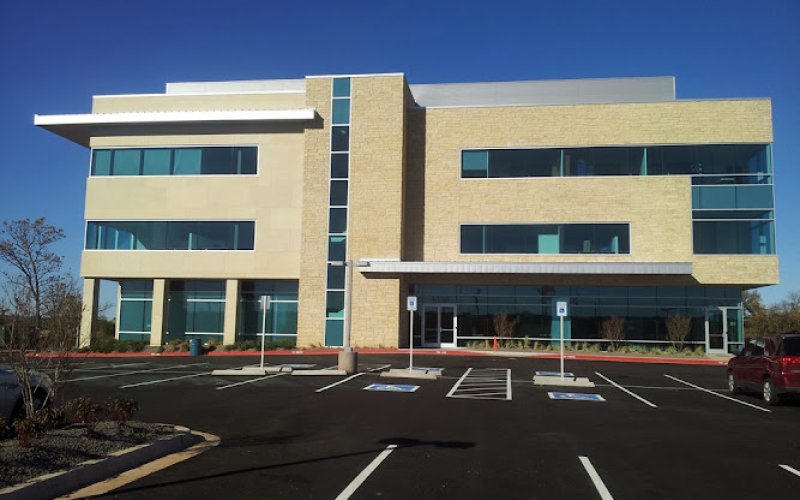
CEC
Engineering consultant
SCS Engineers, Oklahoma City
Environmental engineer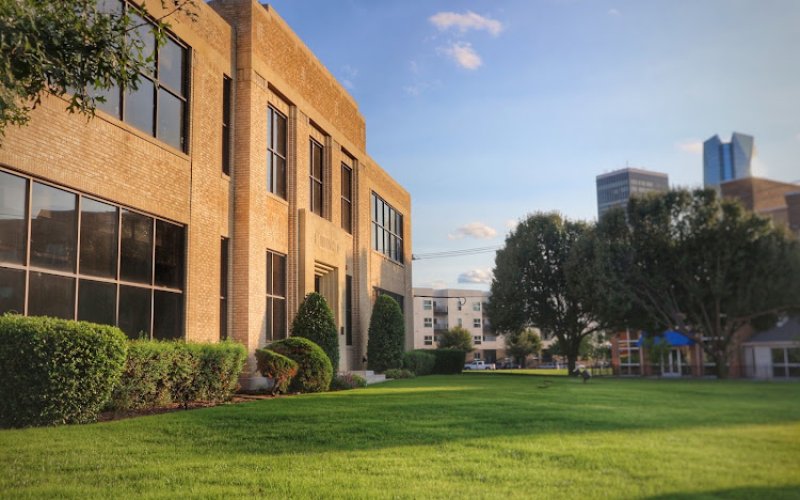
Wallace Design Collective
Engineering consultant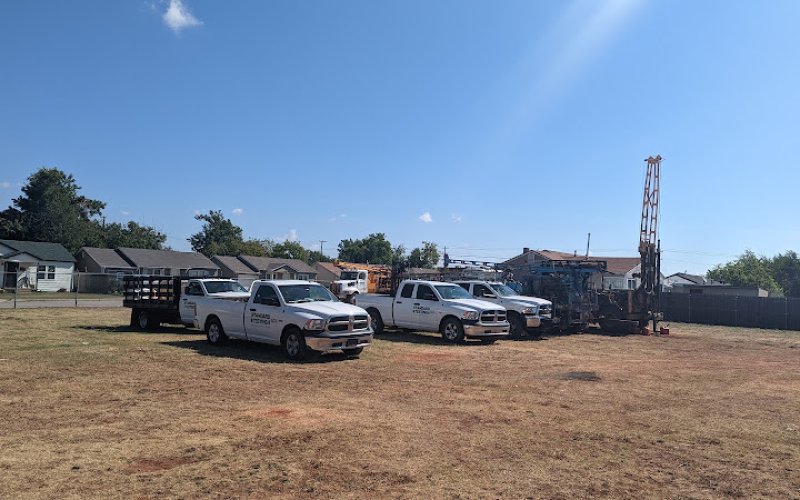
Standard Testing and Engineering Company
Engineering consultant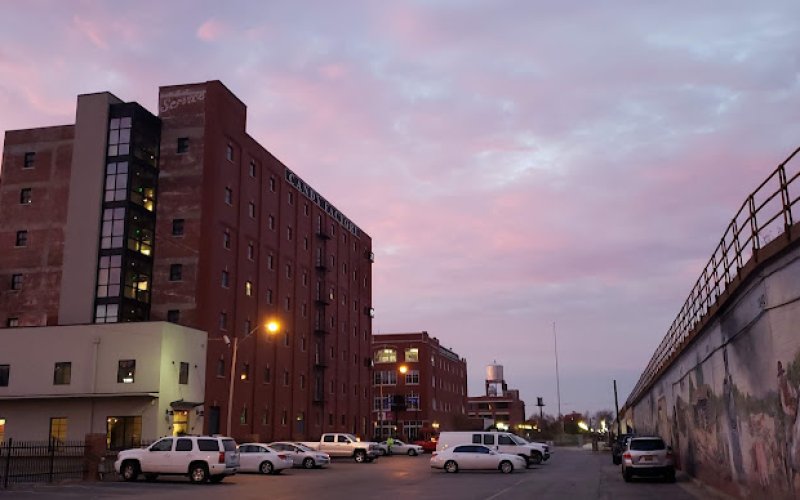
Johnson & Associates LLC
Civil engineer
Midwest Engineering and Testing Corporation
EngineerAbout engineers in Oklahoma City
Here's a number that surprised me when I first dug into it: Oklahoma City added over 6,200 engineering jobs between 2019 and 2024, according to Bureau of Labor Statistics regional data—and that's during a stretch when half the country's engineering firms were bleeding talent to Austin and Denver. Something's happening here that doesn't fit the usual narrative. I've been tracking this market since the Devon Tower was still the shiny new thing downtown, and what strikes me now is how diversified it's gotten. You've got civil engineers riding the wave of I-35/I-40 crossroads infrastructure work, aerospace engineers feeding Tinker Air Force Base (still the state's largest single-site employer, over 26,000 workers), and a growing petroleum/energy engineering sector that never fully left even as the industry diversified. Add in the environmental engineers dealing with Oklahoma's, let's say, "unique" water infrastructure challenges, and you've got a market that's less boom-bust than it used to be. The customer base splits pretty cleanly three ways. Municipal and state contracts (roughly 35% of local engineering firm revenue per industry estimates), private developers riding the OKC building surge—Boardwalk at Bricktown didn't design itself—and the energy sector, which still writes bigger checks than anything else even in a diversified economy. Average project fees for mid-size civil engineering work in the metro run $45,000 to $180,000, though I've seen infrastructure contracts push well past seven figures when MAPS 4 money gets involved. And that's really the OKC difference: public investment through MAPS funding has created a steadier pipeline of engineering work than you'd find in cities relying purely on private development cycles.
Bricktown / Downtown Core
- Area Profile: High-density commercial corridor, median household income around $58,000 for downtown residents but skews irrelevant here since most clients are businesses, not homeowners.
- engineers Activity: Structural and MEP (mechanical/electrical/plumbing) engineering dominates—think mixed-use high-rises and adaptive reuse of old warehouses.
- Price Range: $75,000-$400,000+ per commercial project, depending on scope.
- Local Note: The Bricktown Canal district still generates renovation work from buildings converted decades ago that need infrastructure updates nobody thought about in 1998.
Edmond
- Area Profile: Affluent suburb, median household income near $95,000—significantly above the OKC metro average of roughly $61,000.
- engineers Activity: Residential civil engineering (drainage, site prep) plus a growing tech/electrical engineering presence tied to UCO's engineering programs feeding local firms.
- Price Range: $8,000-$35,000 for residential site engineering; commercial work runs higher.
- Local Note: Edmond's strict stormwater ordinances mean civil engineers here spend more time on drainage compliance than almost anywhere else in the metro. Old-timers grumble about it. It works.
Midtown/Automobile Alley
- Area Profile: Young professional density, redevelopment zone, incomes trending upward as the area gentrifies past its industrial roots.
- engineers Activity: Structural engineers doing historic building retrofits—a lot of century-old brick facades need seismic and load-bearing updates before conversion to lofts or offices.
- Price Range: $25,000-$150,000 depending on building age and condition.
- Local Note: This is where you'll find engineers who specialize almost exclusively in historic preservation compliance—a niche that barely existed here 15 years ago.
South OKC / Near Tinker AFB
- Area Profile: Working- and middle-class, heavy military and aerospace employment influence.
- engineers Activity: Aerospace and mechanical engineering contract work, plus civil engineers handling industrial park expansion around the base.
- Price Range: Varies wildly—government contracts can range from $50,000 to multi-million dollar scopes.
- Local Note: Tinker's economic footprint means engineering demand here doesn't fluctuate with the housing market the way it does elsewhere. It's almost recession-resistant, honestly.
📊 **Current Price Points:**
- Budget options: $2,500-$8,000 (basic residential inspections, small-scope consulting)
- Mid-range: $15,000-$85,000 (most common commercial/residential project bracket)
- Premium: $100,000+ (large commercial, infrastructure, aerospace contracts)
📈 **Market Trends:** Demand is up roughly 9% year-over-year, driven mostly by MAPS 4 project rollouts and continued suburban expansion into Piedmont and Mustang. Supply is tightening—several firms report 6-8 week backlogs for initial consultations, up from 3-4 weeks in 2023. Pricing has climbed about 12% since 2022, outpacing general inflation, largely because there just aren't enough licensed PEs (Professional Engineers) to meet demand locally. Average project timeline from initial consult to completed deliverable runs 4-10 weeks for smaller residential/commercial work, 6 months to 2 years for major infrastructure. Seasonal pattern here is real: spring and early summer see a surge in demand because everyone wants groundbreaking before Oklahoma's brutal August heat. Winter's slower, which—if you're flexible on timeline—means better negotiating position. 💰 **What People Are Spending:**
- Structural assessments/reports: $3,500 average
- Civil site engineering (residential): $12,000 average
- Commercial MEP design: $65,000 average
- Geotechnical soil studies: $4,800 average
- Full-scope commercial project management: $150,000+ average
**Economic Indicators:** OKC metro population grew about 1.4% in the past year, slower than the sunbelt boom towns but steadier—less volatile. Major employers include Tinker AFB, Devon Energy, OGE Energy, and OU Health, all of which lean on engineering services directly or through contractors. Median household income sits around $61,000 metro-wide, slightly below the national median but with a cost of living low enough that it goes further than it would in, say, Denver. New development driving demand: the OKC Innovation District near the medical campus, continued Scissortail Park-adjacent construction, and industrial park expansion near the airport. MAPS 4's $978 million in projects—parks, transit, mental health facilities—has kept civil and structural engineers busy in ways that wouldn't exist without that voter-approved funding mechanism. **Local Market Dynamics:** Competition is moderate. A handful of large firms (regional players with 50+ employees) dominate the big infrastructure and commercial contracts, while smaller boutique firms—often 3-15 person operations—handle residential and small commercial work. I've watched a few firms merge or get acquired by out-of-state companies in the last three years, which locals have mixed feelings about (some worry about losing that "knows-the-soil-here" institutional knowledge). **How This Affects Buyers/Customers:** Practically, this means if you're a homeowner in Edmond needing a foundation assessment, you're waiting longer than you would've in 2021, and paying maybe 10-15% more. But you're also getting engineers who genuinely understand Oklahoma's specific soil and weather challenges—not a national franchise applying Texas or Kansas standards to a state with its own quirks.
**Oklahoma City Seasonal Patterns:**
- ☀️ Spring/Summer: High demand, longest wait times, premium pricing. Everyone wants to break ground before summer heat peaks in July-August.
- 🍂 Fall: Moderate demand, good window for planning projects that'll break ground the following spring. Some firms offer slight discounts to fill fall/winter schedules.
- ❄️ Winter: Slowest season—good news if you need residential structural work or reports, since firms have more availability and sometimes flexibility on pricing.
- 📅 Peak months: March through June are peak. November through January is when you'll get faster turnaround and more attention.
**Timing Tips for Oklahoma City:** Tax season (Jan-April) sometimes delays commercial clients from committing to big spends, which can work in your favor if you're flexible. Ice storms in February occasionally push back site visits—plan buffer time. The process for residential engineering assessments typically takes 2-4 weeks start to finish; commercial work stretches to 2-6 months depending on complexity. **Smart Timing Tips:**
✓ Book structural assessments in November-December for fastest turnaround
✓ Lock in commercial contracts before March if you want 2024-25 pricing before the spring bump
✓ Avoid scheduling site visits during Oklahoma's spring severe weather season if at all possible
✓ Ask about off-season discounts—not all firms advertise them, but many will negotiate
**Credentials to Verify:** Look for PE (Professional Engineer) licensure through the Oklahoma State Board of Licensure for Professional Engineers and Land Surveyors—this is the real deal, non-negotiable for anyone stamping structural or civil plans. Membership in the Oklahoma Society of Professional Engineers is a good secondary signal. Check their license status directly on the state board's public lookup tool; it takes five minutes and tells you everything about standing and any disciplinary history. **Questions to Ask:** How long have they operated specifically in the OKC metro (not just "Oklahoma" broadly—soil and code requirements shift county to county). Can they provide two or three local references from projects completed in the last 18 months? Will they put pricing and scope in writing before any work begins? ⚠️ **Red Flags Specific to Oklahoma City engineers:**
- Firms quoting suspiciously fast timelines for foundation/geotechnical work—Oklahoma clay soil analysis takes time to do properly, rushing it is a warning sign.
- No physical local address or a PO box only—several fly-by-night operators popped up post-tornado seasons chasing storm damage assessments.
- Reluctance to share their PE license number upfront.
- Pressure to sign contracts same-day, especially common with storm/disaster-related structural assessments.
**Where to Check Complaints:** Start with the Oklahoma State Board of Licensure for Professional Engineers—their complaint database is public. Then BBB Oklahoma, and don't ignore Google reviews, but read between the lines: a firm with 40 reviews and zero criticism is more suspicious to me than one with a few honest 3-star "communication could've been better" reviews.
✓ Established presence in Oklahoma City (not just passing through)
✓ Verifiable local reviews and references
✓ Transparent pricing, no hidden fees
✓ Clear process explained upfront
✓ Responsive communication
Check Reviews & Ratings
We recommend verifying businesses through trusted review platforms before making a decision.
Frequently Asked Questions
Popular Categories in Oklahoma City
Explore Other Cities
⚡ Electricians near Oklahoma City
Professional Categories in Oklahoma City, OK
Related Services from Similar Professionals