Top Engineers in Temple, TX - Find Local Experts Now
Welcome to the Temple, TX engineers directory, your go-to spot for finding solid engineering talent right here in town. Whether you're hunting for the perfect fit for a project or just browsing what local pros have to offer, you're in the right place.
Map of Businesses in Temple
All Listings in Temple
5 businesses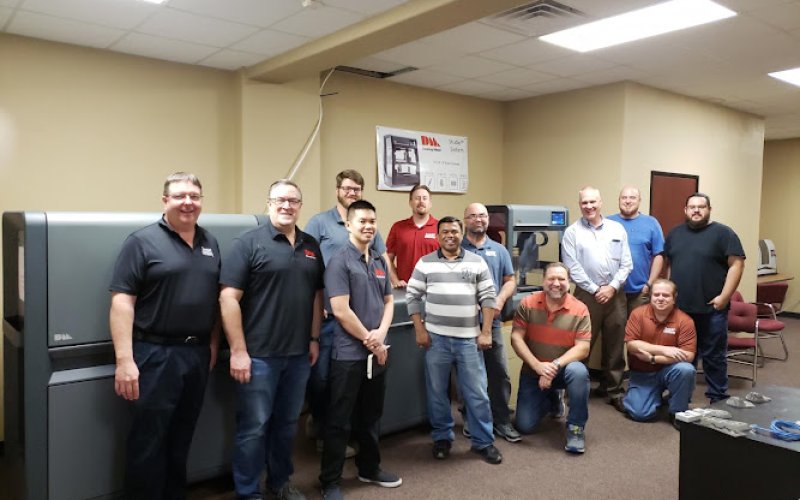
Impac Systems Engineering
Engineering consultant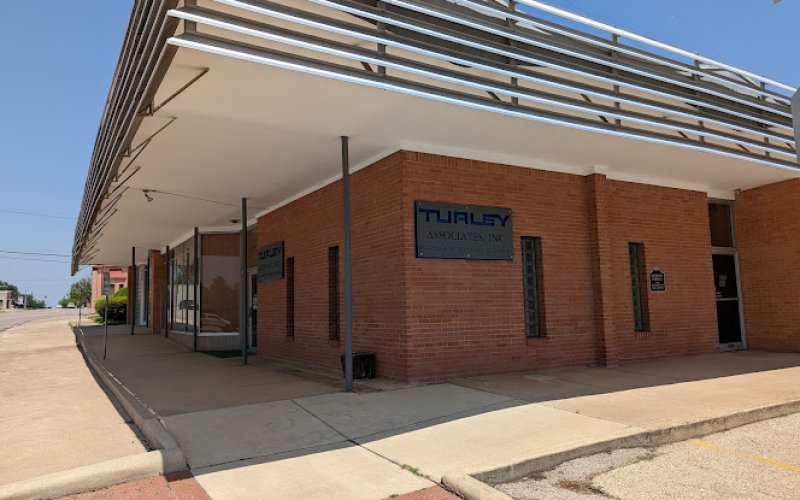
Turley Associates Inc
Land surveyor
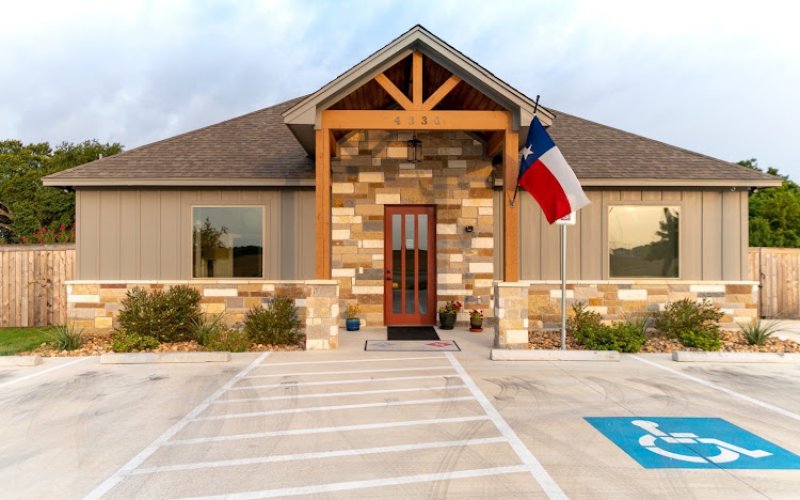
All County Surveying Inc
Land surveyor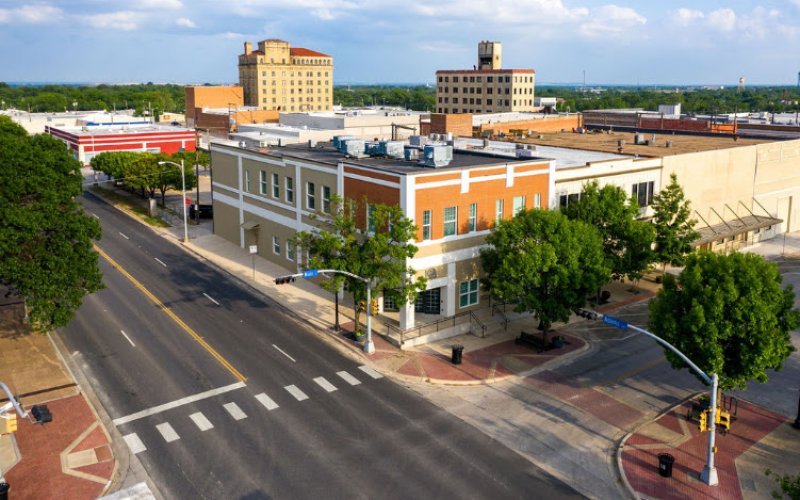
KPA Engineers
Civil engineering companyAbout Engineers in Temple
Here's something that surprised me when I first pulled county permit data a few years back: Temple issued over 1,400 commercial and residential building permits last year, and nearly every single one touched an engineer's desk at some point—structural review, civil site work, MEP coordination. That's not a niche market. That's infrastructure holding up a city that's grown 11% since 2020, according to Census estimates, and shows zero signs of slowing down.
The 17 engineering firms listed in this directory cover a spread you might not expect from a city Temple's size—civil, structural, geotechnical, electrical, even a couple of specialized environmental engineering outfits that handle Bell County's karst topography issues (yeah, that's a real thing here, ask anyone who's dealt with foundation problems near the Leon River). Demand is being driven by three things: Baylor Scott & White's continued expansion, the industrial corridor growth along I-35, and honestly, just houses. Lots of houses. Temple's residential permitting alone jumped around 18% year-over-year per local building department figures.
Who's actually hiring these firms? It's a mixed bag—developers building out the new subdivisions off Adams Avenue, small business owners converting old downtown buildings, and increasingly, homeowners dealing with foundation and drainage issues that seem to be popping up more in older neighborhoods. Average project engagement runs anywhere from a $2,500 residential foundation assessment to $85,000+ for full civil site packages on commercial developments. Temple's market is smaller than Austin's obviously, but that means less competition-driven price inflation and—I've noticed this repeatedly—more direct access to the actual engineer, not a project manager three layers removed.
Downtown Temple / Historic District
- Area Profile: Older building stock, lots of brick construction from the 1900s-1940s, mixed commercial-residential zoning.
- Engineers Activity: Structural assessments dominate here—old buildings getting repurposed into breweries, lofts, retail. Historic preservation compliance work is huge.
- Price Range: $3,000-$15,000 for structural surveys and renovation-related engineering reports.
- Local Note: Old-timers will tell you half these buildings have "settled funny"—engineers here spend as much time explaining century-old brick behavior as doing new calculations.
Wildflower / South Temple
- Area Profile: Newer suburban development, family-oriented, median household income noticeably above city average.
- Engineers Activity: New residential foundation design, drainage engineering (this area floods weird after heavy rain—ask anyone on the west side of the neighborhood).
- Price Range: $1,800-$6,500 for standard residential engineering packages.
- Local Note: Builders here often bundle engineering costs into new home pricing, so buyers rarely see the invoice directly—but it's baked into that $340K median price tag.
Industrial Corridor near I-35 & Loop 363
- Area Profile: Warehousing, logistics, light manufacturing—this stretch has exploded since 2021.
- Engineers Activity: Civil site engineering, stormwater management plans, ADA compliance reviews for commercial builds.
- Price Range: $25,000-$150,000+ depending on site complexity.
- Local Note: This is where the big firms make their money. Smaller residential-focused engineers mostly stay away—too much liability, too much bureaucracy with TxDOT overlap.
📊 Current Price Points:
- Budget options: $800-$2,500 (basic residential inspections, simple drainage consults)
- Mid-range: $3,000-$20,000 (most homeowner and small commercial projects land here)
- Premium: $30,000+ (full commercial civil packages, multi-phase developments)
📈 Market Trends: Demand is up roughly 14% year-over-year, driven mostly by residential construction and Baylor Scott & White's continued facility expansions. Supply—meaning available licensed engineers taking new clients—hasn't kept pace, honestly. A few firms I've talked to are booking 6-8 weeks out for new commercial projects, which was unheard of in Temple five years ago. Pricing has crept up around 7-9% since 2023, tracking slightly above statewide inflation for professional services. Spring and early summer are Temple's busiest season for engineering work (construction season lines up with it, obviously), and average project timelines run 3-6 weeks for residential, 2-4 months for commercial site work depending on permitting backlogs at the city. 💰 What People Are Spending:
- Residential foundation assessments — average $2,200
- Drainage/stormwater engineering — average $4,800
- Commercial structural design — average $22,000
- Geotechnical soil testing — average $3,100
- Full civil site development packages — average $65,000+
Temple's population is growing around 2.3% annually, outpacing the Texas average. Baylor Scott & White Health remains the dominant employer, but you've also got McLane Company, Wilsonart, and a growing logistics sector pulling workers in. Median household income sits around $58,000—slightly below the state median, but rising fast in newer developments. New projects worth watching: the continued build-out near Scott & White's main campus, and honestly, just the sheer volume of new subdivisions pushing toward Salado. Local Market Dynamics: Seventeen firms sounds like a lot for a city Temple's size, but the reality is only about 5-6 handle the bulk of commercial work—the rest are smaller shops or solo practitioners focused on residential and small commercial jobs. Competition is real but not cutthroat. I've seen firms turn away work because they're maxed out, which tells you demand is outpacing capacity right now. How This Affects Buyers/Customers: If you're a homeowner needing foundation engineering, expect to wait longer than you would've in 2019—sometimes 3-4 weeks just for an initial site visit. Commercial developers are budgeting more contingency time for engineering phases because of this bottleneck. Practical tip: book early, especially if your project has any seasonal urgency.
- ☀️ Spring/Summer: Peak demand, construction season in full swing, expect longer wait times and less pricing flexibility.
- 🍂 Fall: Demand cools slightly after September—good window for negotiating on residential projects.
- ❄️ Winter: Slowest season, some firms offer discounted rates for planning-phase work (December-January especially).
- 📅 Peak months: March through July. Book by February if you want summer construction timelines to actually hold.
Winter is genuinely the best time to start the paperwork and planning phase, even if construction won't start till spring. Permitting backlogs at the city tend to ease up November through January too. Smart Timing Tips:
- ✓ Book geotechnical testing in fall—before ground gets saturated from spring rains
- ✓ Lock in commercial engineering contracts by January for summer construction starts
- ✓ Ask about off-season discounts—some smaller firms will negotiate December-February
- ✓ Avoid last-minute requests in May/June; you'll pay a premium or get bumped to a waitlist
Look for a valid PE (Professional Engineer) license through the Texas Board of Professional Engineers and Land Surveyors (TBPELS)—this is non-negotiable. Membership in the Texas Society of Professional Engineers is a good secondary signal. Check TBPELS's online license lookup directly; don't just take a business card at face value. Questions to Ask: How long have they actually worked in Temple specifically (not just Central Texas broadly)? Can they give you two or three local references from the last year? Are fees itemized upfront, or do you get a vague "we'll bill hourly" answer? ⚠️ Red Flags Specific to Temple Engineers:
- Someone offering to "skip" the geotechnical testing to save money on expansive clay soil sites—this bites people hard later
- No physical Temple office or local phone number, just an out-of-town firm subcontracting the work
- Vague timelines with no written contract or scope of work
- Pressure to sign before you've seen a detailed cost breakdown
Start with TBPELS's disciplinary action search online—it's public record. Then check BBB Central Texas, and honestly, Google reviews tend to reveal patterns faster than anything official. Watch for repeated complaints about missed deadlines or scope creep.
✓ Established presence in Temple (not just passing through)
✓ Verifiable local reviews and references
✓ Transparent pricing, no hidden fees
✓ Clear process explained upfront
✓ Responsive communication
Check Reviews & Ratings
We recommend verifying businesses through trusted review platforms before making a decision.
Frequently Asked Questions
Popular Categories in Temple
Explore Other Cities
Professional Categories in Temple, TX
Related Services from Similar Professionals