Top Engineers Serving Columbus, GA
Hey there! Welcome to the Columbus, GA engineers directory — your go-to spot for finding solid engineering talent right here in town. Poke around, and let's get you connected with the right folks.
Map of Businesses in Columbus
All Listings in Columbus
10 businesses
Barge Design Solutions, Inc.
Engineering consultant
Columbus Engineering Department
City government office

Summit Technologies, Inc.
Engineering consultant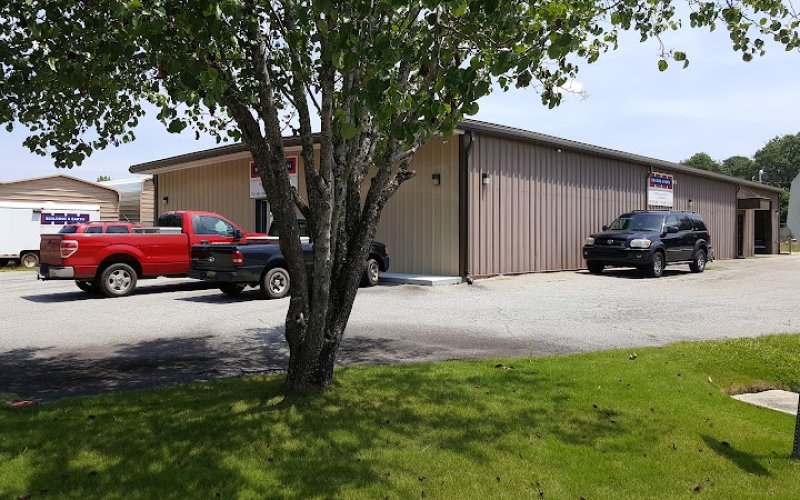
Building & Earth
Engineering consultant
Zachry Engineering
Engineering consultant
Moon Meeks and Associates, Inc.
Civil engineer
Terracon Consultants, Inc.
Engineering consultant
EMC Engineering Services, Inc.
Civil engineer
CIVTERRA
Civil engineering companyAbout engineers in Columbus
Here's something a lot of people don't think about until they're mid-renovation: Columbus sits right on the Chattahoochee, which means the river isn't just scenery — it's a variable that shows up in soil reports, drainage plans, and foundation decisions all over the city.
The engineering scene here isn't dominated by one giant firm running the show. It's more of a mix — smaller consulting practices that handle residential inspections and structural questions, alongside firms that do the heavier commercial and municipal work: site development, infrastructure, that kind of thing. With 11 businesses in this directory, you're looking at a range of specialties, not a one-size-fits-all situation.
Demand for engineers in a city like Columbus tends to track pretty directly with construction and renovation activity. New builds need site and structural work. Older homes need evaluations before additions or repairs. And permitting — whether it's a deck, a retaining wall, or a full remodel — often requires a stamped report before the city will sign off.
Who's actually hiring them? A wide mix — homeowners dealing with foundation cracks or storm damage, contractors who need plans reviewed and stamped, developers moving on a new project, and municipal departments handling public infrastructure. Columbus also has a decent stock of older homes, particularly closer to downtown, and older construction just tends to generate more engineering questions than newer subdivisions do.
Historic District / Downtown Columbus
- Area Character: Older brick buildings, converted warehouses, a genuine historic core near the riverfront.
- Engineers Relevance: Older structures mean more questions about load-bearing walls, foundation settling, and whether past renovations were done properly. Historic designation can also add layers to what modifications are allowed.
- Good to Know: If you're renovating a historic property, loop in an engineer early — before you fall in love with a floor plan that the building's bones might not support.
North Columbus / Midland Area
- Area Character: More suburban, newer subdivisions, shopping corridors, generally higher-growth residential development.
- Engineers Relevance: Newer construction typically means fewer structural surprises, but new-build inspections, foundation certifications, and drainage/grading work are common asks here.
- Good to Know: Even new construction benefits from an independent structural review — builder inspections aren't the same thing as a third-party engineer's report.
Areas Near the Chattahoochee River
- Area Character: Riverfront and low-lying pockets that hug the water, some residential, some recreational/commercial.
- Engineers Relevance: Proximity to the river raises legitimate questions around drainage, flood zone status, and soil stability — all things worth having an engineer actually assess rather than assume.
- Good to Know: If you're buying or building near the river, ask specifically whether a flood zone determination or drainage evaluation is part of the scope.
I'll be straight with you: anyone giving you a firm number before seeing your project (or your property) is guessing. Pricing in this field is driven by scope, not by a flat rate card.
📐 What Drives the Price:
- Complexity of the project — a simple deck inspection is a different animal than a full structural evaluation of a commercial building
- Whether you need a stamped/sealed report (required for most permits) versus an informal opinion
- Site conditions — accessibility, age of the structure, whether prior work needs to be traced or undone on paper first
- Timeline — rush jobs almost always cost more than work with a normal lead time
- Getting multiple local quotes is really the only honest way to know what current pricing looks like in Columbus, since scope varies so much project to project
📈 General Patterns:
Demand generally rises and falls with local construction and permitting activity — more building permits pulled, more engineers booked. Timelines depend on site visit scheduling, how backed up local permit review offices are, and how complicated the project turns out to be once someone's actually looked at it.
- Get at least two or three quotes and make sure each firm is quoting the same scope of work — apples to apples, not apples to "we'll figure it out later."
- Ask upfront whether the quote includes a site visit, a written report, and a stamp — some quotes only cover part of that.
- If your project is permit-dependent, ask the engineer directly what they typically see for review turnaround with the city — they'll usually know from experience.
Why Local Engineers Have an Edge:
An engineer who works in Columbus regularly already knows the local permitting process, the common building types (older downtown brick, newer suburban framing, riverfront drainage quirks), and what the city's inspectors tend to flag. That's not something you get from someone parachuting in from out of town.
There's also the follow-up factor. If a question comes up six months after the report — and it sometimes does — you want someone who's still local and reachable, not someone three states away who's moved on to different work entirely.
What This Means for You: Practically, it means fewer surprises during permitting, faster turnaround because they're not learning the local process from scratch, and a reputation you can actually verify by asking around or checking local reviews — not just a polished website.
General Timing Patterns:
- ☀️ Spring/Summer: Typically the busiest stretch — construction and renovation season ramps up, and engineers' schedules fill accordingly.
- 🍂 Fall: Often still active, especially for projects trying to close out before winter weather or year-end.
- ❄️ Winter: Usually a bit quieter on-site, which makes it a good window for planning, permitting, and paperwork-heavy work.
- 📅 Larger or permit-dependent projects benefit from booking well ahead — permit review and engineer availability both tend to stretch out during peak season.
Smart Timing Tips:
- ✓ If your project is tied to spring/summer construction, start reaching out to engineers in winter while schedules are lighter.
- ✓ Don't wait until a contractor is standing in your driveway ready to pour concrete — get the engineering piece lined up early.
- ✓ Ask about current backlog directly. A straightforward question — "what's your turnaround right now?" — tells you a lot.
- ✓ If storm damage or an urgent safety concern is involved, say so upfront — many firms will prioritize based on urgency.
Credentials to Verify:
- Confirm they hold a current Professional Engineer (PE) license in the discipline relevant to your project — structural, civil, and so on aren't interchangeable. Check with GA's professional engineering licensing board to confirm license status directly rather than taking a website's word for it.
- Ask about direct experience with your project type specifically, not just general engineering background.
- Check reviews across multiple platforms and look for patterns, not just star ratings — one bad review means little, five similar complaints mean something.
Questions to Ask:
- How long have you worked in the Columbus area specifically?
- Can you provide references from local clients with a similar project?
- What does your process look like, and will I receive a professionally stamped report or plan?
⚠️ General Red Flags:
- Hesitation or vagueness when asked to confirm their PE license is current
- No willingness to provide any local references
- Pressure to skip a site visit or rush a stamped report
- Pricing that seems dramatically lower than everyone else with no clear explanation why
Where to Check Complaints: Your state's professional engineering licensing board or consumer protection office is the place to verify license standing and check for disciplinary history. The BBB is worth a look too. And on Google reviews, pay attention to complaint patterns — repeated mentions of missed deadlines or unresponsive communication say more than any single review.
✓ Established presence in Columbus, not just a name that shows up in searches
✓ Verifiable local reviews and references you can actually follow up on
✓ Transparent pricing with no vague "we'll see" answers
✓ A clear explanation of process and deliverables before you sign anything
✓ Responsive, straightforward communication from the first phone call
Check Reviews & Ratings
We recommend verifying businesses through trusted review platforms before making a decision.
Frequently Asked Questions
Popular Categories in Columbus
Explore Other Cities
⚡ Electricians near Columbus
Professional Categories in Columbus, GA
Related Services from Similar Professionals