Need Engineers in Kansas City? Find Your Top-Rated Pro
Hey there! Welcome to the Kansas City engineers directory — glad you found your way here. Whether you're looking to connect with local talent or just poking around to see who's building cool stuff in KC, you're in the right place.
Map of Businesses in Kansas City
All Listings in Kansas City
14 businesses
Dialectic Engineering
Engineering consultant
Engineering Design & Testing Corp. (EDT) - Kansas City
Engineering consultant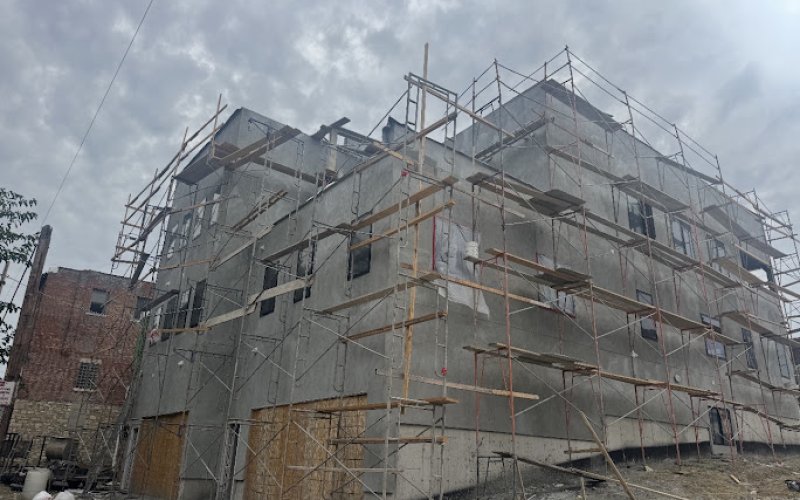
Grand Street Engineering
Engineering consultant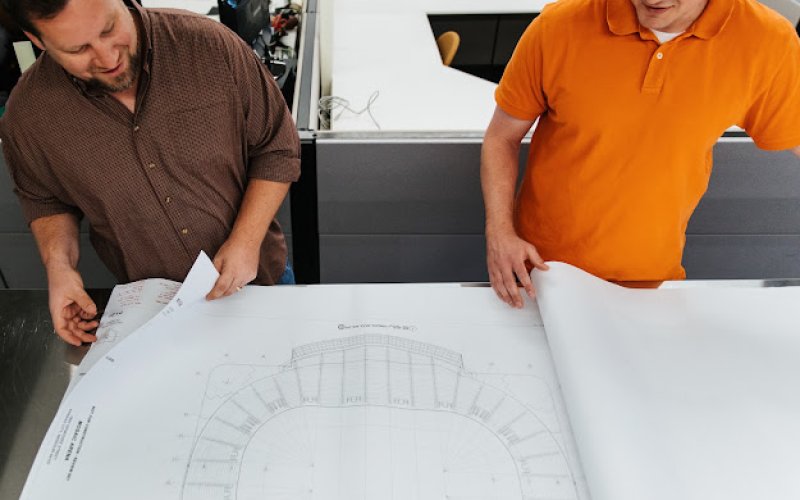
Henderson Engineers, Inc.
Engineering consultant
Lakeland Engineering Equipment Company - Kansas City
Distribution service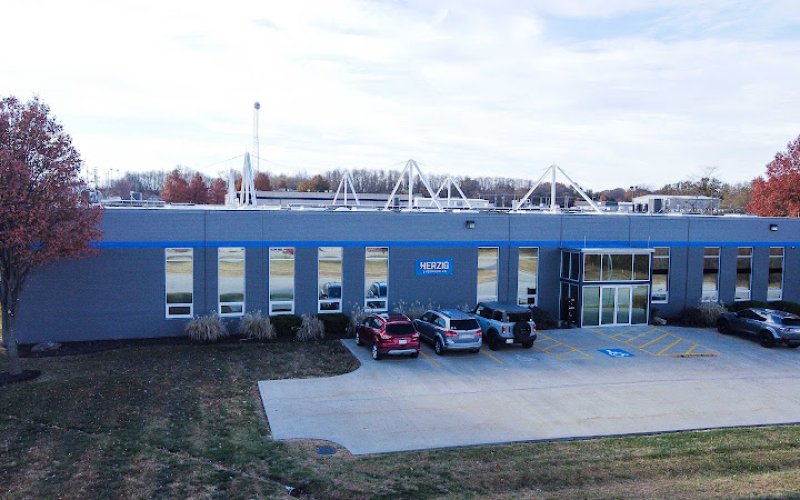
Herzig Engineering
Electrical engineer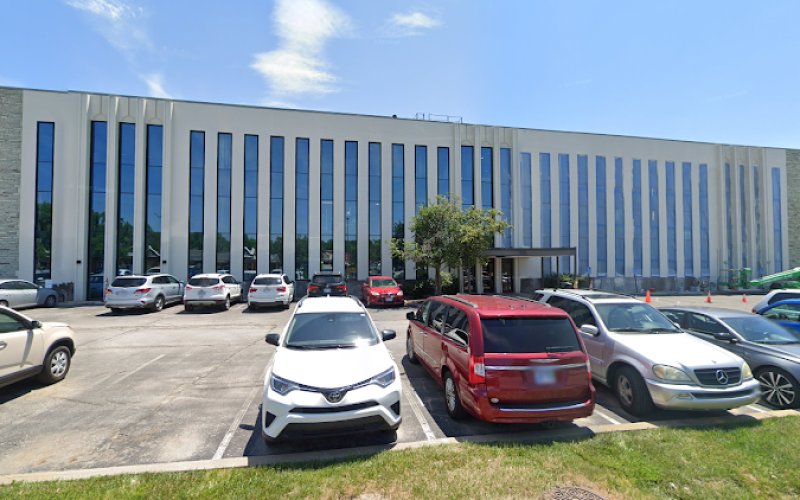
DuBois Consultants, Inc
Civil engineer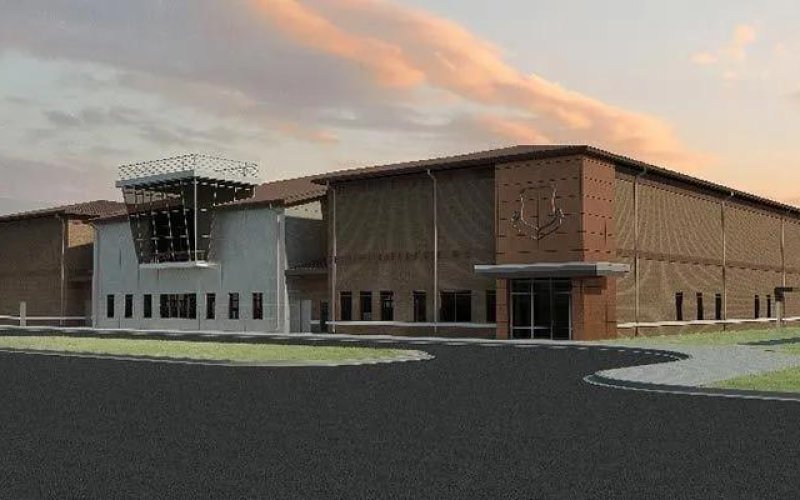
Premier Engineering Consultants
Engineer
PST Engineering
Engineer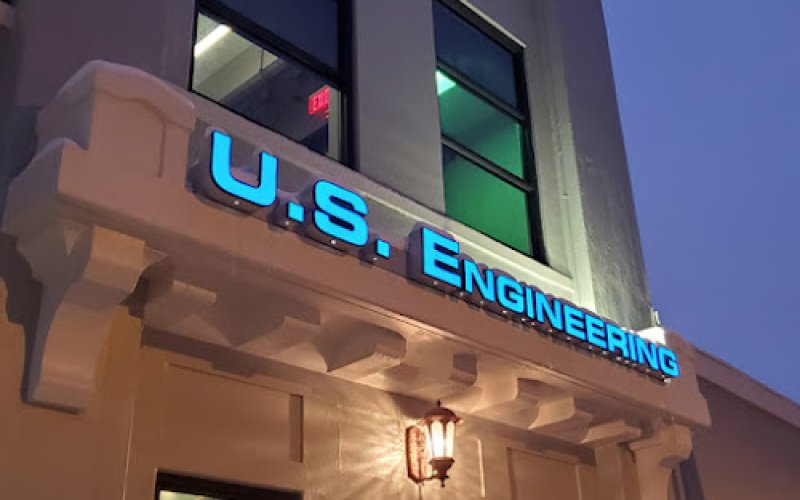
U.S. Engineering
Mechanical contractor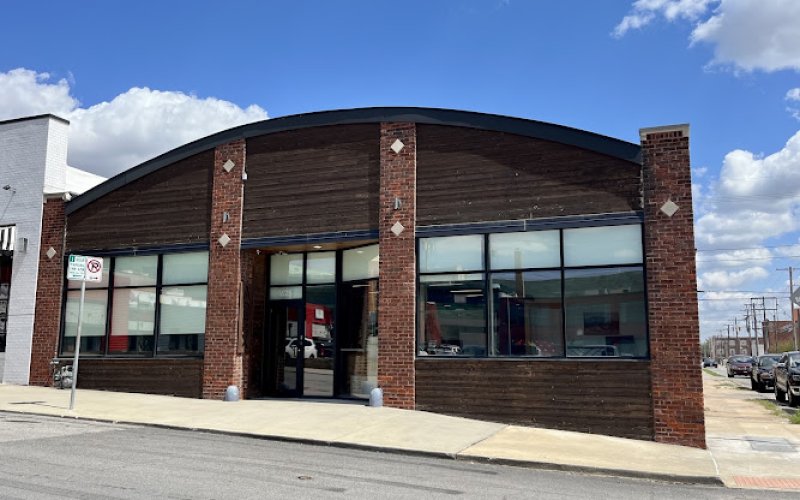
Apex Engineers, Inc.
Structural engineer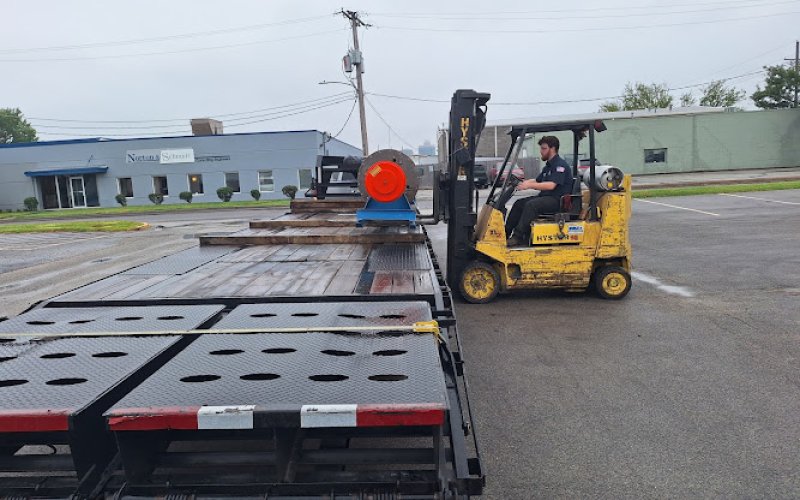
Norton & Schmidt Consulting Engineers, LLC
Engineering consultant
Kimley-Horn
Engineering consultant
Kansas City Testing & Engineering
Engineering consultantAbout engineers in Kansas City
Here's something you might not expect: a city built on bluffs and river bottoms, with clay-heavy soil and a habit of flooding in low spots, produces a lot of engineering work that has nothing to do with skyscrapers and everything to do with basements, retaining walls, and foundations that shifted a half-inch over thirty winters.
The engineering scene here isn't dominated by one type of firm. You've got solo practitioners and small consulting outfits doing residential foundation inspections and deck load letters, and then you've got larger multi-disciplinary firms handling commercial buildouts, municipal infrastructure, and the kind of stamped structural work that developers need before a permit office will even look at their plans. Both ends of that spectrum stay busy, just for different reasons.
Demand tends to track what's happening with construction and renovation activity generally — new builds need engineers for structural design and site work, older homes need them when something looks off (a crack, a sag, a sump pump running overtime), and additions or major remodels usually can't get permitted without an engineer's sign-off somewhere in the paperwork.
Who's hiring them runs the gamut: homeowners dealing with a foundation issue or planning an addition, contractors who need a stamped plan to satisfy a city inspector, developers moving a project through entitlement and permitting, and municipalities handling roads, drainage, and public infrastructure. Kansas City's mix of century-old housing stock and newer development on the edges means engineers here see a genuinely wide range of problems in a given month.
Downtown / River Market
- Area Character: Dense urban core with a mix of historic brick buildings, converted lofts, and newer infill construction near the river.
- Engineers Relevance: Older masonry buildings in this area often need structural evaluation before renovation, and proximity to the Missouri River means drainage and flood-related considerations come up more here than in most parts of the metro.
- Good to Know: If you're renovating a historic building downtown, budget extra time for the engineering review — older construction methods often require more careful documentation than a standard suburban job.
Brookside / Waldo
- Area Character: Established residential neighborhoods with a lot of charm, mature trees, and housing stock that's mostly early-to-mid 20th century.
- Engineers Relevance: Foundation settling, aging plumbing interactions with soil, and additions to older homes are common reasons homeowners here call an engineer.
- Good to Know: Homes in this age range weren't always built with today's soil and drainage standards in mind, so a foundation inspection before you buy — not just after a problem shows up — isn't a bad instinct.
Northland (North of the River)
- Area Character: Suburban and semi-rural growth area, generally newer construction, more open land, and ongoing development.
- Engineers Relevance: New construction here tends to need site engineering, soil analysis, and drainage design more than the older-building repair work you'd see closer to downtown.
- Good to Know: If you're building new in the Northland, get your engineer involved early in the site planning phase — retrofitting a plan after the fact almost always costs more than designing it right the first time.
📐 What Drives the Price:
- Scope matters more than almost anything else — a quick visual inspection with a letter is a different animal than a full stamped structural design with calculations and drawings.
- Project size and complexity (a single beam calculation versus a whole-house structural retrofit) changes both the time involved and the liability the engineer is taking on.
- Timeline pressure — rush jobs generally cost more, and permit review cycles can add time regardless of how fast the engineering itself moves.
- Getting a few local quotes is really the only honest way to know what something will cost right now — pricing shifts with material costs, demand, and who's got room on their schedule.
📈 General Patterns:
Demand for engineers generally rises and falls with local construction and renovation activity — when building permits are up, engineers get busier, and quote turnaround can slow down a little as a result.
Timelines depend on a few things: how quickly a site visit can be scheduled, how backed up the local permit office is, and how complicated the project is technically. A simple deck letter might turn around in days; a full structural design for an addition could take weeks once revisions and permitting are factored in.
- Ask for a written scope of work before agreeing to anything — verbal estimates tend to drift once the actual site visit happens.
- Get at least two or three quotes for anything beyond a basic inspection, and make sure each one is quoting the same scope so you're comparing apples to apples.
- Ask upfront whether the quote includes revisions, site visits, and the stamped final report, or whether those are billed separately.
An engineer who works in Kansas City regularly knows the soil conditions, the common foundation types in different neighborhoods, and how local permitting offices like to see things documented. That's not something you pick up from a manual — it comes from doing the work here, repeatedly, for years.
There's also the practical matter of follow-up. If a question comes up six months after a report is filed, or an inspector wants clarification, a local engineer is easy to reach and has a reputation actually worth protecting in this market.
What This Means for You:Practically, it means fewer surprises. A local engineer is less likely to miscalculate how a Missouri permitting office wants a report formatted, and more likely to have already seen a problem like yours in a similar house a few blocks away. That familiarity tends to save time, which usually saves money too.
- ☀️ Spring/Summer: Peak season for construction and renovation in most markets, which usually means engineers are busiest and booking further out.
- 🍂 Fall: Often a good window — the summer rush has eased but weather's still workable for site visits and any related construction.
- ❄️ Winter: Frequently the planning and permitting phase for projects that'll break ground in spring, so it can be a smart time to line up your engineer before the rush.
- 📅 Larger or permit-dependent projects benefit from booking well ahead, since permit review and engineering scheduling both take time regardless of season.
✓ If your project is weather-flexible, consider scheduling the engineering work in winter so you're ready to move the moment spring construction season opens up.
✓ Don't wait until a permit deadline is looming — engineers need real time to do the work properly, not just sign off quickly.
✓ If you're buying a home, get a foundation or structural opinion before closing, not after — timing that around your inspection period, not the season, is what actually matters.
✓ Ask your engineer directly if they expect their schedule to get tighter in the coming months — they'll usually tell you straight.
Confirm they hold a current Professional Engineer (PE) license appropriate to your project's discipline — structural, civil, geotechnical, and so on aren't interchangeable. You can check current license status with MO's professional engineering licensing board rather than just taking someone's word for it.
Beyond licensing, ask about direct experience with your specific type of project. An engineer who mostly does commercial site work isn't necessarily the right fit for a residential foundation problem, even though both are technically "engineering."
Questions to Ask:- How long have they been working in the Kansas City area specifically?
- Can they provide references from local clients with a similar project type?
- What does their process look like, and will the final deliverable be a professionally stamped report or plan?
⚠️ General Red Flags:
- Hesitation or vagueness when asked to confirm their PE license is active and in good standing.
- No local references, or references that are strangely hard to reach.
- Pricing that's dramatically lower than every other quote you've gotten, with no clear explanation why.
- Reluctance to put the scope of work, deliverables, and timeline in writing.
Start with MO's professional engineering licensing board or your state consumer protection office for any formal complaints on record. Check the BBB for a broader complaint history, and look at Google reviews for patterns — one bad review can be an outlier, but repeated complaints about missed deadlines or unresponsive communication are worth taking seriously.
✓ Established presence in Kansas City (not just passing through)
✓ Verifiable local reviews and references
✓ Transparent pricing, no hidden fees
✓ Clear process and deliverables explained upfront
✓ Responsive communication
Check Reviews & Ratings
We recommend verifying businesses through trusted review platforms before making a decision.
Frequently Asked Questions
Popular Categories in Kansas City
Explore Other Cities
⚡ Electricians near Kansas City
Professional Categories in Kansas City, MO
Related Services from Similar Professionals