Trusted, Top-Rated Engineers in Louisville, KY
Welcome to your local engineers directory in Louisville, KY. Find trusted professionals in your area.
Map of Businesses in Louisville
All Listings in Louisville
5 businesses
KPFF Consulting Engineers
Structural engineer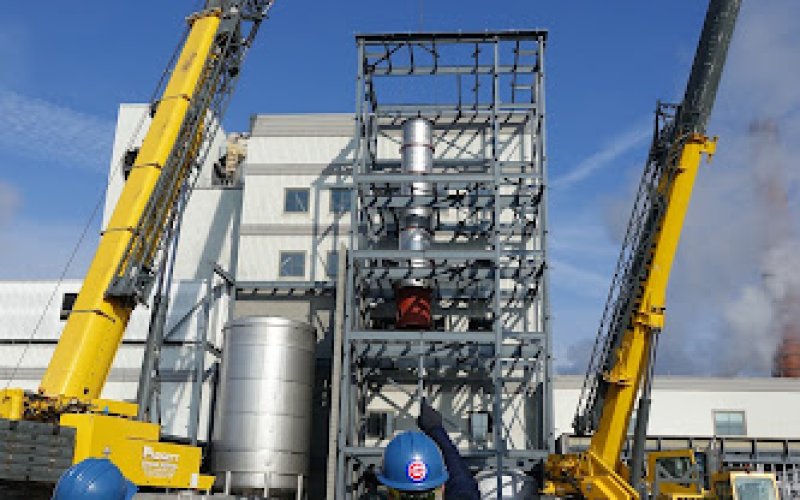
VITOK Engineers, Inc
Engineering consultant
Cornerstone Engineering, Inc.
Engineering consultant
InLine Engineers, A Gray Company
Engineering consultant
RAI Engineering
Structural engineerAbout engineers in Louisville
Here's a number that stopped me mid-coffee at Heine Brothers on Bardstown Road last month: Louisville added roughly 2,800 engineering-related job postings in a single year, according to regional labor data, and civil/structural engineering firms alone reported a 14% jump in project inquiries from 2023 to 2024. That's not normal growth. That's a city quietly rebuilding its bones while everyone's distracted talking about bourbon tourism.
The demand driver isn't complicated once you look at it. UPS Worldport keeps expanding. The Novelis aluminum plant investment near the Ohio River. Ford's Louisville Assembly Plant retooling for electric trucks. And then there's the unglamorous stuff — bridge maintenance on the Sherman Minton, stormwater infrastructure in the Highlands, water main replacements that never make headlines but keep engineering firms booked eight months out. Louisville Metro's own capital projects budget has grown, and that trickles straight down to civil and environmental engineering contracts.
Market size-wise, you're looking at somewhere around 180-220 active engineering firms in the greater Louisville metro, per industry association estimates — everything from three-person structural shops in NuLu to the regional offices of national firms like AECOM or GRW. Typical project transactions range wildly: a residential structural consult might run $800-$2,500, while a commercial site development package easily clears $75,000-$300,000. Main customers split into three buckets — developers (the biggest spenders), municipal/government contracts (the steadiest), and homeowners/small business owners needing specific certifications or inspections (the most price-sensitive). What makes Louisville different from, say, Nashville or Indianapolis? Slower growth means less speculative building, which honestly makes the engineering market here more stable, less boom-bust. Old-timers in the industry will tell you that's a feature, not a bug.
NuLu (East Market District)
- Area Profile: Gentrified arts corridor, median household income around $58K, mix of young professionals and legacy small business owners.
- engineers Activity: Heavy on structural retrofits — old warehouses getting converted to lofts and restaurants means constant demand for load-bearing assessments.
- Price Range: $1,200-$8,000 for structural consults on adaptive reuse projects.
- Local Note: Historic preservation overlay rules here mean engineers often work alongside preservation architects — adds time, adds cost.
East End (Prospect, Springhurst area)
- Area Profile: Higher income bracket, $110K+ median household income, newer construction, HOA-heavy subdivisions.
- engineers Activity: Custom home structural design, drainage/grading engineering for hillside lots (this area has real topography issues near the Ohio River bluffs).
- Price Range: $3,000-$15,000 for full residential engineering packages.
- Local Note: Soil composition out here causes more foundation disputes than any other part of the metro — I've seen three lawsuits over this in the last five years alone.
West Louisville (Russell, Shawnee)
- Area Profile: Lower median income (~$28K-$35K), historically underserved, but seeing renewed investment via the West End Opportunity Fund.
- engineers Activity: Infrastructure and civil engineering tied to redevelopment grants — sidewalks, stormwater, community center rebuilds.
- Price Range: Often grant-funded or municipal contract based, $50,000-$500,000 range on public projects.
- Local Note: This is where you'll see the most public-sector engineering work in the next three years. Watch this space.
📊 Current Price Points:
- Budget options: $500-$2,000 (basic residential inspections, simple stamped drawings)
- Mid-range: $3,000-$25,000 (most popular segment — small commercial, custom residential, site plans)
- Premium: $50,000+ (large commercial, industrial, municipal contracts)
📈 Market Trends: Demand is up roughly 11% year-over-year per local trade association surveys — driven mostly by that industrial expansion I mentioned. Supply of licensed PE (Professional Engineer) firms hasn't kept pace though; several firms report waitlists of 4-6 weeks just for initial consultations. Pricing has crept up about 6-8% since 2024, partly materials-testing costs, partly just demand outpacing capacity. Seasonally, Louisville engineering work spikes March through June (construction season prep) and dips hard in January (everyone's still recovering from holiday budgets and weather delays). Average time to close a mid-size project — from contract signing to final stamped deliverables — runs 6-10 weeks. 💰 What People Are Spending:
- Residential structural consults: avg $1,800
- Commercial site development: avg $95,000
- Environmental/soil engineering reports: avg $4,200
- MEP (mechanical/electrical/plumbing) design for renovations: avg $12,500
- Municipal infrastructure contracts: avg $180,000+
Louisville metro population sits around 1.27 million, growing about 0.4% annually — modest, but steady, no bubble to pop. Major employers driving engineering demand: UPS, Ford, Humana (yes, even healthcare needs facilities engineers), Norton Healthcare's expansion projects, and the ongoing riverfront development downtown. Median household income runs about $58,000, slightly below the Kentucky state average pull-up from rural counties, but Louisville proper skews higher in specific corridors. New development to watch: the continued Portland neighborhood revitalization and the Ohio River Bridges follow-up maintenance contracts. Local Market Dynamics: Demand here isn't speculative — it's infrastructure-driven and industrial-driven, which means less volatility than markets riding pure residential construction booms. Competition-wise, you've got maybe 8-10 firms that dominate the larger commercial/municipal contracts, and then a long tail of smaller specialized shops fighting for residential and small commercial work. I've watched two firms merge in the last 18 months just to compete for bigger contracts — consolidation is quietly happening. How This Affects Buyers/Customers: Practically? If you're a homeowner needing a simple structural letter, you might wait 2-3 weeks for a small firm's attention right now because they're all backed up with commercial work. If you're a developer, expect firms to negotiate harder on price because they genuinely have leverage in this market — for once.
- ☀️ Spring/Summer: High demand, firms booked solid, expect premium pricing and longer wait times.
- 🍂 Fall: Moderate demand, good window for planning next year's projects before spring rush hits.
- ❄️ Winter: Slowdown — especially January/February — best time to negotiate, firms have more availability.
- 📅 Peak months: March-June act fast. November-January, you've got leverage.
Best deals show up in December when firms are trying to fill Q1 pipeline gaps. Inventory (aka firm availability) peaks in winter. Tax season in April doesn't affect engineering directly, but it does affect small business owners' willingness to commit budget — so late April sees a mini-surge in signed contracts. Expect the full process, start to finish, to run anywhere from 6 weeks (simple residential) to 6 months (large commercial). Smart Timing Tips: ✓ Lock in contracts in November/December for spring work — you'll get better rates ✓ Avoid requesting rush jobs in April/May, that's when everyone else is doing it too ✓ Ask about "shoulder season" discounts — some smaller firms offer them, most won't advertise it ✓ If it's a non-urgent residential project, winter is genuinely your best negotiating window
The big one — is the engineer a licensed PE (Professional Engineer) registered with the Kentucky Board of Licensure for Professional Engineers and Land Surveyors (KYBLPELS)? This isn't optional for anything requiring a stamped drawing. Check their license status directly on the board's website — it's public record. Membership in Kentucky Society of Professional Engineers (KSPE) is a decent secondary signal of legitimacy, though not required. Questions to Ask: How long have they operated specifically in Louisville (not just "Kentucky" broadly — city-specific soil, code, and permitting knowledge matters). Ask for two or three references from local projects you can actually verify. And get pricing structure in writing before anything starts — hourly vs flat fee vs percentage of project cost varies a lot between firms here. ⚠️ Red Flags Specific to Louisville engineers:
- Firms quoting suspiciously fast turnaround on stamped structural drawings — corners get cut, and Louisville's clay-heavy soil doesn't forgive shortcuts.
- No physical Louisville office or local phone number — a lot of out-of-state firms chase the UPS/logistics boom without real local presence.
- Reluctance to share their KYBLPELS license number — should be instant, no hesitation.
- Bundling engineering fees into vague "design-build" packages with no line-item breakdown.
Start with KYBLPELS directly for licensing disputes. Check the Better Business Bureau's Louisville chapter for pattern complaints. And honestly, Google reviews tell you a lot if you read between the lines — look for repeated mentions of missed deadlines or change-order surprises, that's the real tell.
✓ Established presence in Louisville (not just passing through)
✓ Verifiable local reviews and references
✓ Transparent pricing, no hidden fees
✓ Clear process explained upfront
✓ Responsive communication
Check Reviews & Ratings
We recommend verifying businesses through trusted review platforms before making a decision.
Frequently Asked Questions
Popular Categories in Louisville
Explore Other Cities
⚡ Electricians near Louisville
Professional Categories in Louisville, KY
Related Services from Similar Professionals