Phoenix's Go-To Engineers for Every Project
Welcome to the Phoenix engineers directory — your one-stop spot for finding solid engineering talent right here in the Valley of the Sun. Poke around, connect with people, and let's build something great together.
Map of Businesses in Phoenix
All Listings in Phoenix
7 businesses
InterLink Engineering, LLC
Engineering consultant
Colliers Engineering & Design
Engineering consultant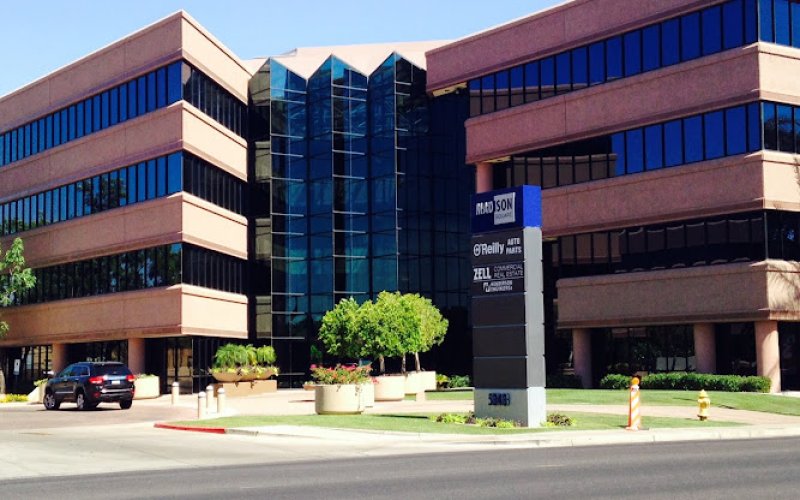
Henderson Engineers, Inc.
Engineering consultant
Carollo Engineers
Engineering consultant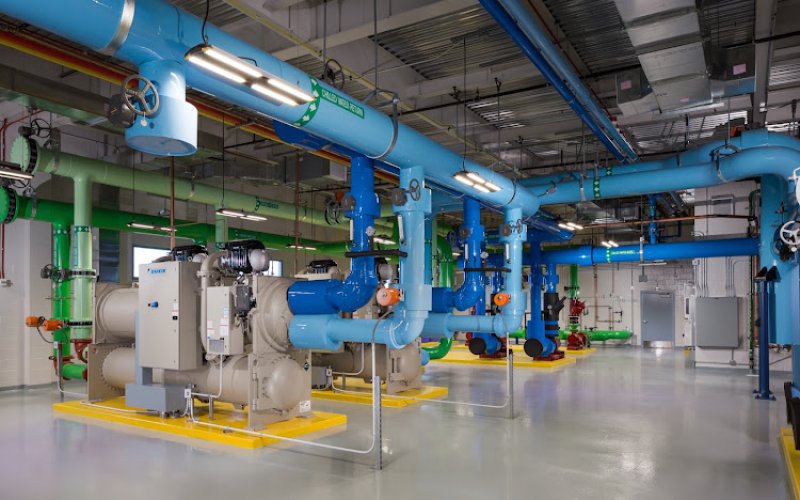
LSW Engineers Arizona Inc
Engineer
Affiliated Engineers Inc
Engineering consultant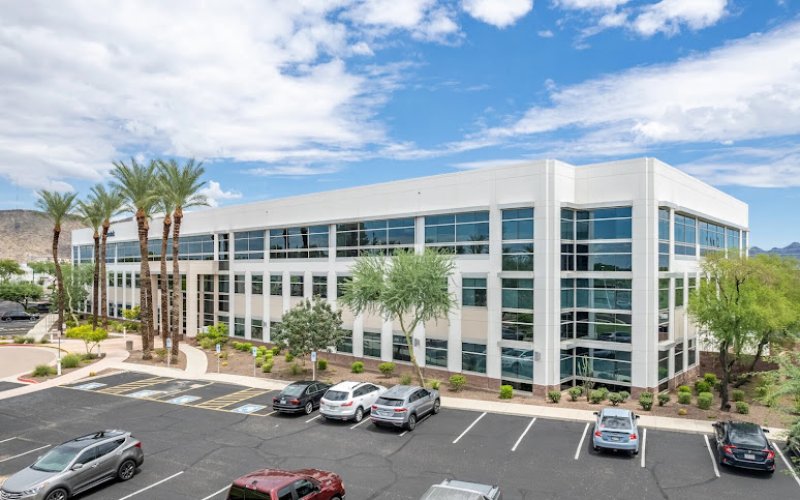
Rick Engineering
Civil engineerAbout engineers in Phoenix
Here's something most people don't think about: a huge chunk of Phoenix was built on caliche and expansive soils, which means the ground itself is part of the engineering conversation before anyone even talks about the building. That's a bigger deal here than in a lot of cities.
The engineering scene in the Valley runs the full spectrum — you've got solo practitioners doing residential foundation evaluations and small firms handling structural stamps for additions, all the way up to multi-disciplinary outfits working municipal infrastructure and commercial high-rises downtown. Most homeowners and small contractors end up dealing with the smaller, specialized end of that spectrum, and honestly, that's usually a fine place to be.
Demand generally tracks what's happening with construction and renovation activity — new builds need civil and structural review, older homes need retrofits and inspections, and pool additions or ADUs (increasingly common here) need their own sign-offs. Permitting requirements from local jurisdictions push a lot of this work too, since you often can't pull a permit without an engineer's stamp on the plans.
Who's hiring? Homeowners dealing with cracked slabs or remodel plans, contractors who need stamped drawings to satisfy a building department, real estate investors doing due diligence before a purchase, and developers moving through the entitlement process. Phoenix's climate and soil conditions — heat-driven expansion and contraction, monsoon season stress on drainage and grading — mean a fair amount of local work is genuinely climate-specific, not just generic "engineering."
Downtown / Central Phoenix
- Area Character: Dense urban core mixing historic districts with newer high-rise development and infill construction.
- Engineers Relevance: Older buildings here often need structural evaluation for renovations or additions, while new infill projects require full civil and structural coordination through the city's permitting process.
- Good to Know: Historic properties sometimes carry preservation guidelines that affect what kind of structural changes are even allowed — worth asking an engineer with experience in that specific area before you assume a fix is straightforward.
Arcadia
- Area Character: Established, leafy residential neighborhood known for mid-century homes and citrus groves.
- Engineers Relevance: A lot of demand here comes from remodels and additions on older homes, where foundation and soil conditions need a fresh look before any structural work begins.
- Good to Know: Mature landscaping and irrigation setups in this area can affect soil moisture near foundations — something worth flagging to whoever's assessing your property.
Ahwatukee
- Area Character: Suburban, master-planned community tucked against South Mountain, mostly newer housing stock.
- Engineers Relevance: Grading and drainage engineering matters more here given the terrain near the mountain preserve, especially for additions or hillside-adjacent lots.
- Good to Know: If your property backs up to the preserve, check whether there are any additional review steps tied to that proximity before starting design work.
📐 What Drives the Price:
- Scope is the big one — a simple pre-purchase inspection report costs a fraction of what a full structural design for an addition runs, since the second one involves calculations, drawings, and a stamp that carries legal weight.
- Site complexity matters too: sloped lots, unusual soil, or a home with prior unpermitted work all add time and therefore cost.
- Turnaround speed changes price — rush jobs to meet a closing date or permit deadline usually cost more than work on a normal timeline.
- Because none of this is standardized citywide, getting two or three local quotes is really the only honest way to know what your specific project will run.
📈 General Patterns:
Like most trades tied to construction, engineering demand in Phoenix tends to rise when building and renovation activity picks up and cool off when it slows. Permit review cycles at the city or county level can also add real time to a project regardless of how fast the engineer works.
Timelines depend a lot on how quickly a site visit can be scheduled, how complex the calculations are, and how backed up the local permitting office happens to be that month.
- Ask for a written scope of work upfront, not just a verbal ballpark — it forces clarity on what's actually included.
- Get quotes from at least two or three firms for anything beyond a basic inspection, since scope definitions vary more than people expect.
- Ask directly whether the quote includes revisions, site revisits, or just the initial report — that's where surprise costs tend to hide.
An engineer who works Phoenix regularly already knows the area's soil quirks, how local building departments like to see plans submitted, and which drainage or grading issues tend to pop up in which parts of the Valley. That familiarity saves time — theirs and yours.
There's also the follow-up factor. If a question comes up six months after the report, a local engineer is a phone call away, not a firm that did one job here and moved on. And their reputation is actually checkable — real reviews, real references, a real office you can visit if needed.
What This Means for You:Practically speaking, it usually means fewer surprises during permitting and a smoother back-and-forth if the city asks for revisions. It's not that out-of-town engineers can't do good work — it's that local knowledge removes a lot of guesswork on both sides.
- ☀️ Spring/Summer: Typically the busiest stretch for construction and renovation work, which means engineers are booking further out.
- 🍂 Fall: Often a decent window as the peak rush eases but weather is still workable for site visits.
- ❄️ Winter: Frequently a planning and permitting season — people lining up paperwork ahead of spring construction.
- 📅 Anything permit-dependent or large in scope benefits from booking well before you actually need the stamped plans in hand.
- ✓ Book early if your project is tied to a specific closing date or construction start — engineers' schedules fill up during busy seasons.
- ✓ Ask about their current turnaround time before assuming it matches what you read online.
- ✓ If you're flexible, off-peak scheduling can mean faster attention and easier communication.
- ✓ Don't wait until a permit gets rejected to bring in an engineer — earlier involvement usually prevents that rejection in the first place.
Confirm they hold a current Professional Engineer (PE) license appropriate to your project's discipline — structural, civil, geotechnical, whatever applies. You can check license status with AZ's professional engineering licensing board rather than just taking their word for it.
Beyond licensing, ask about direct experience with your specific project type, and look at how they're reviewed — not just star ratings, but whether past clients mention clear communication and follow-through.
Questions to Ask:- How long have you worked in the Phoenix area specifically?
- Can you provide references from similar local projects?
- What's your process, and will deliverables include a professionally stamped report or plan set?
⚠️ General Red Flags:
- Hesitation or vagueness about confirming their PE license is active and in good standing.
- No permanent local address or office — just a phone number and a website.
- Quotes given with no written scope, or pressure to sign before explaining the process.
- Reluctance to provide any local references at all.
- Arizona's professional engineering licensing board or your state consumer protection office for formal complaint history.
- BBB for a broader pattern of business practices.
- Google reviews — watch for repeated complaints about missed deadlines or reports that didn't hold up during permit review.
✓ Established presence in Phoenix (not just passing through)
✓ Verifiable local reviews and references
✓ Transparent pricing, no hidden fees
✓ Clear process and deliverables explained upfront
✓ Responsive communication
Check Reviews & Ratings
We recommend verifying businesses through trusted review platforms before making a decision.
Frequently Asked Questions
Popular Categories in Phoenix
Explore Other Cities
⚡ Electricians near Phoenix
Professional Categories in Phoenix, AZ
Related Services from Similar Professionals