Top Engineers Serving Buffalo, NY
Hey there! Welcome to the Buffalo engineers directory — your one-stop spot for finding solid engineering talent right here in the Nickel City. Whether you're hiring or just poking around to see who's out there, we're glad you stopped by.
Map of Businesses in Buffalo
All Listings in Buffalo
12 businesses
Buffalo Engineering PC
Engineer
C&S Companies
Engineering consultant
Capstone Engineering, PLLC
Structural engineer
Colliers Engineering & Design
Engineer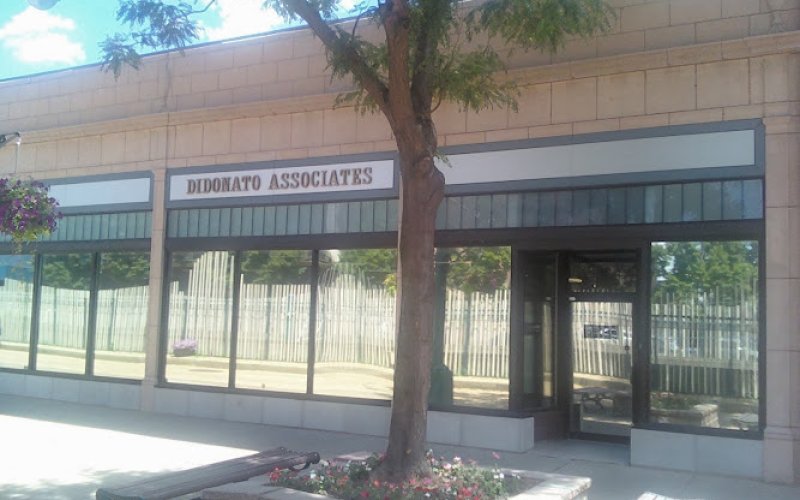
DiDonato Associates
Engineering consultant
Lu Engineers, PC
Engineering consultant
WSP USA
Engineering consultant
Tredo Engineers
Structural engineer
Siracuse Engineers
Structural engineer
M/E Engineering, a Salas O'Brien Company
Engineering consultant
US Army Corps of Engineers
Federal government office
P. Max Engineering
Engineering consultantAbout engineers in Buffalo
Here's something that surprises transplants: a huge chunk of the engineering work in this city has nothing to do with new construction and everything to do with buildings that have already survived 100+ winters. Buffalo's housing and commercial stock is old, and old means someone eventually has to sign off on whether it's still doing its job.
The engineering scene here breaks down pretty predictably into two camps. You've got solo practitioners and small consulting shops handling residential work — foundation evaluations, additions, deck permits, that kind of thing. Then you've got the larger multi-disciplinary firms that handle commercial, municipal, and institutional projects, the ones with enough staff to run structural, civil, and mechanical work under one roof.
Demand tends to track pretty closely with construction and renovation activity generally — when people are pulling permits, buying fixer-uppers, or dealing with insurance claims after storm damage, engineers get busy. Homeowners, contractors needing a stamped plan, developers converting old commercial buildings, and municipalities handling infrastructure all show up as regular clients, just for very different reasons.
And Buffalo's climate genuinely matters here, not as a throwaway line. Lake-effect snow loads, freeze-thaw cycles that stress foundations and masonry over decades, and a lot of pre-war construction (brick, balloon framing, old mortar) mean the structural questions asked here are a little different than they'd be in, say, Phoenix.
Downtown / Elmwood Village
- Area Character: Dense, walkable, a mix of historic commercial buildings and older housing stock, plus newer infill and renovation projects.
- Engineers Relevance: Lots of adaptive reuse work — converting old commercial or industrial buildings into apartments or mixed-use space — which usually means structural evaluation before permits get pulled.
- Good to Know: Historic district rules can add a layer to any renovation project, so it's worth asking early whether your building falls under any preservation review.
North Buffalo / Parkside
- Area Character: Established residential neighborhoods, tree-lined streets, a lot of early-20th-century housing near Delaware Park.
- Engineers Relevance: Foundation and drainage questions come up often, just given the age of the housing stock and how the original grading and plumbing were done decades ago.
- Good to Know: If you're buying an older home here, a pre-purchase structural review can save a lot of grief down the line.
South Buffalo
- Area Character: Traditionally working-class, tighter lot lines, older housing mixed with some newer builds.
- Engineers Relevance: Additions, garage builds, and renovation permitting are common — smaller-scope residential engineering rather than big commercial jobs.
- Good to Know: Lot sizes here can make setback and easement questions trickier than people expect, so confirm that early with whoever's doing your plans.
I'm not going to hand you a price sheet, because anyone who does that without knowing your specific project is guessing. What I can tell you is what actually moves the needle.
📐 What Drives the Price:
- Scope and complexity — a basic deck permit letter is a different animal than a full structural evaluation of a century-old commercial building
- Whether you need a stamped report/plan versus just a consultation or opinion
- Project size and how many site visits or follow-up inspections are involved
- Timeline — rush jobs generally cost more than work that can sit in a normal queue
- Getting two or three local quotes is really the only honest way to know what's normal right now, since pricing shifts with material costs, demand, and the specific firm's workload
📈 General Patterns:
Demand for engineers generally rises and falls with local construction and permitting activity — busier building seasons mean busier engineers, plain and simple. Timelines get affected by how backed up permit offices are, how complex the site is, and whether multiple inspections are needed before a report can be finalized.
- Ask for a written scope of work before you agree to anything — vague quotes lead to vague results
- Be upfront about your timeline; rush requests almost always cost more and firms should tell you that plainly
- Get the quote in writing, including whether the report will be stamped and how many revisions are included
An engineer who works in Buffalo regularly already knows how the local permitting offices operate, what inspectors tend to flag, and how the area's building stock typically behaves. That's not something you can fake by reading a code book the night before.
There's also the practical follow-up factor — if a question comes up six months after the report's filed, a local firm is easy to reach and has a real reputation to protect in a market where word travels.
What This Means for You:Practically, it means fewer surprises. Local familiarity tends to translate into fewer back-and-forths with permit offices and a better read on what your specific building or lot is likely to need before it becomes a problem.
- ☀️ Spring/Summer: peak season for construction and renovation, so engineers tend to book up faster
- 🍂 Fall: still active, often a good window before winter weather complicates site visits
- ❄️ Winter: quieter for fieldwork, but a smart time for planning, permitting, and paperwork ahead of spring projects
- 📅 Anything permit-dependent or large in scope benefits from booking well ahead of your target start date
- ✓ Start the process in winter if you're planning a spring or summer project — you'll beat the rush
- ✓ Ask directly about current turnaround time before you commit, since it shifts seasonally
- ✓ If your project depends on a stamped report for permitting, build in extra time for review cycles
- ✓ Don't wait until foundation or drainage issues get worse over winter to get someone out to look
- Confirm they hold a current Professional Engineer (PE) license specific to the discipline you need — structural, civil, mechanical, etc. aren't interchangeable
- Ask about direct experience with projects similar to yours, not just general engineering background
- Check reviews across multiple platforms and look for patterns, not one-off complaints
- How long have you worked in the Buffalo area specifically?
- Can you provide references from local clients with a similar project?
- What's your process, and will deliverables include a professionally stamped report or plan?
⚠️ General Red Flags:
- Hesitation or vagueness about confirming their PE license is current and in good standing
- No local references or an inability to name past Buffalo-area projects
- Pressure to sign quickly or pay fully upfront before any scope is defined
- Quotes that seem drastically lower than others with no clear explanation why
- NY's professional engineering licensing board is the right place to verify license status and check for disciplinary action
- BBB profiles can show a pattern of unresolved complaints
- Google reviews — watch for recurring themes like missed deadlines or poor communication, not just star ratings
✓ Established presence in Buffalo (not just passing through)
✓ Verifiable local reviews and references
✓ Transparent pricing, no hidden fees
✓ Clear process and deliverables explained upfront
✓ Responsive communication
Can't or won't verify their PE license is active
No willingness to put scope, price, or deliverables in writing
No local references or verifiable project history
Rushes you toward a decision without answering basic questions
Check Reviews & Ratings
We recommend verifying businesses through trusted review platforms before making a decision.
Frequently Asked Questions
Popular Categories in Buffalo
Explore Other Cities
⚡ Electricians near Buffalo
Professional Categories in Buffalo, NY
Related Services from Similar Professionals