Need Engineers in Columbia? Find Trusted Pros Here
Welcome to the Columbia, SC engineers directory—your go-to spot for finding solid engineering talent right here in the Midlands. Poke around, find who you need, and get your project moving.
Map of Businesses in Columbia
All Listings in Columbia
11 businesses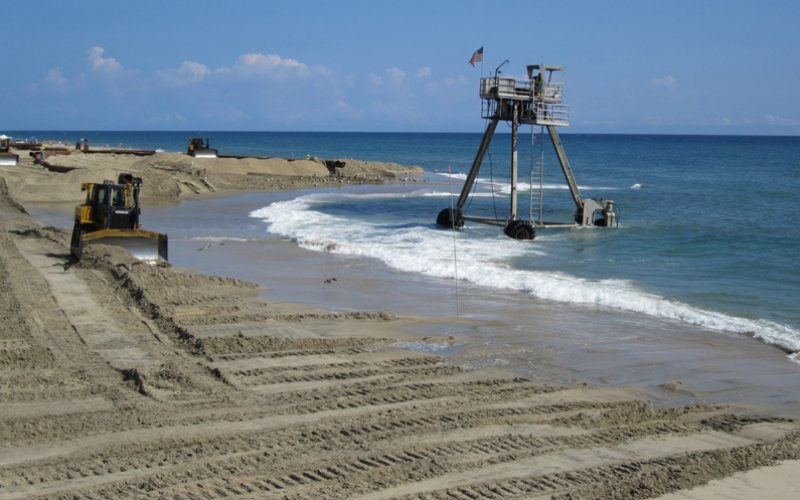
Coastal Science & Engineering Inc
Engineering consultant
Colliers Engineering & Design
Engineering consultant
Fulfilled Engineering
Civil engineering company
Holt Consulting Company, LLC
Civil engineering company
Hybrid Engineering, Inc.
Engineering consultant
Kimley-Horn
Engineering consultant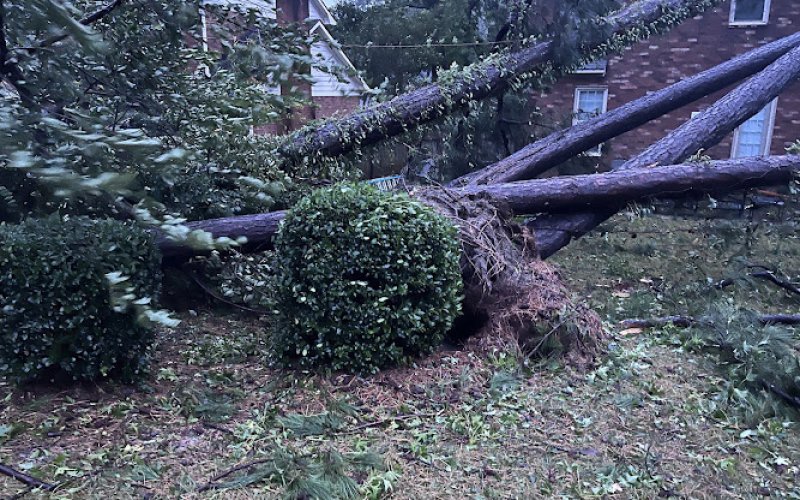
Massey Engineering, LLC
Structural engineer
Vista Engineering
Mechanical engineer
Civil Engineering of Columbia
Engineering consultant
Civil Engineering Consulting Services
Civil engineer
Bowman
Engineering consultantAbout engineers in Columbia
Here's something people don't think about: Columbia sits at the confluence of three rivers, on clay-heavy soil, in a state that gets hit by both hurricanes and the occasional earthquake tremor from the old Charleston fault system. That combination alone keeps a lot of engineers busy.
The engineering scene here isn't dominated by one giant firm running the show. It's more of a mix — solo practitioners and small consulting shops handling residential inspections and additions, alongside mid-size firms that take on commercial builds, municipal infrastructure, and the occasional university or state-government project (Columbia being the capital, there's always some public-sector work in the pipeline). You won't find a shortage of specialties either — structural, civil, geotechnical, MEP — each corner of the field tends to cluster around different clients.
Demand generally tracks whatever's happening in construction and renovation locally. New home builds need foundation and structural sign-off. Older homes in established parts of town need evaluations before additions or renovations. Permitting requirements from the city or county often force the issue — you can't skip an engineer's stamp just because you'd rather not pay for one.
Who's actually calling these firms? Homeowners dealing with foundation cracks or planning a second story. Contractors who need stamped drawings to pull a permit. Developers scoping out land before they commit. And local government, which needs engineers for roads, drainage, and public buildings — not glamorous work, but steady.
Downtown / The Vista
- Area Character: Columbia's urban core — mixed-use buildings, converted warehouses, government buildings, and newer infill construction packed close together.
- Engineers Relevance: Older commercial structures downtown often need structural evaluation before renovation or a change in use, especially buildings that predate modern codes. Parking and drainage engineering also come up a lot given how dense the area is.
- Good to Know: If you're renovating a historic downtown building, check early whether historic preservation guidelines apply — that can shape what an engineer is even allowed to recommend.
Shandon & Rosewood
- Area Character: Established, walkable residential neighborhoods with a lot of early-to-mid-20th-century homes, mature trees, and a strong sense of place.
- Engineers Relevance: Foundation issues, settling, and old plumbing/electrical infrastructure are common conversation starters here. Root intrusion from mature trees is a real thing homeowners deal with too.
- Good to Know: Older homes in these areas can have surprises once walls open up — budget some flexibility into any renovation timeline.
Forest Acres
- Area Character: Suburban, established, mostly single-family homes with a fairly stable housing stock.
- Engineers Relevance: Typical needs run toward additions, garage conversions, and standard residential structural inspections rather than major commercial work.
- Good to Know: Because it's suburban and lower-density, permitting can sometimes move faster here than downtown — worth asking your engineer about typical local review timelines.
📐 What Drives the Price:
- Scope matters more than almost anything else — a quick inspection report costs a lot less than full structural design work with stamped drawings.
- Project size and complexity, obviously — a garage addition isn't the same animal as a commercial retrofit.
- Whether you need an actual PE-stamped report (required for permits) versus a general consultation.
- Turnaround time — rushing an engineer to meet a tight closing date or permit deadline usually costs more.
- Getting quotes from a few local firms is really the only way to know what's realistic right now — pricing shifts with demand, materials costs, and who's busy that month.
📈 General Patterns:
Demand for engineers tends to move with the construction cycle — busier when building and renovation activity picks up, quieter when it slows. Permitting activity is a decent proxy for this if you're trying to gauge how backed up firms might be.
Timelines depend on site visit scheduling, how complex the report needs to be, and how backed up the local permit office is that season. A simple inspection might turn around fast. A full structural design with revisions can take considerably longer.
- Get the scope in writing before you compare quotes — "inspection" can mean wildly different things to different firms.
- Ask whether the quote includes the stamped report/plans or just the site visit and verbal opinion.
- Mention your timeline upfront — rush jobs often carry a different price than standard scheduling.
An engineer who works in Columbia regularly already knows the soil conditions, the flood-prone spots, and how the local permitting offices like their submissions formatted. That's not nothing — it can save you a round or two of revisions.
Local also means accountable. If a question comes up six months after the project wraps, you want someone who's still around and reachable, not a firm that flew in for one job and vanished.
And reputation is actually checkable here — ask around, check reviews, maybe even ask a contractor who they've worked with before. That's much harder to do with an out-of-town outfit nobody local has dealt with.
What This Means for You:Practically speaking: fewer surprises, faster familiarity with what your specific permitting office wants to see, and someone you can actually call back. That's the whole case for local, no exaggeration needed.
- ☀️ Spring/Summer: Typically the busiest stretch — construction and renovation activity picks up broadly this time of year in most markets, Columbia included.
- 🍂 Fall: Often still active, especially for projects trying to close out before winter or before year-end budgets reset.
- ❄️ Winter: Frequently a planning and permitting season — people lining up engineers and paperwork ahead of spring groundbreaking.
- 📅 Larger or permit-dependent projects benefit from booking well ahead, since review cycles and engineer availability can both add lead time.
✓ Book earlier than you think you need to, especially if your project depends on permit approval.
✓ If your timeline is flexible, ask if scheduling in a slower season gets you faster turnaround.
✓ Don't wait until a problem is urgent (like active foundation movement) to get someone out — early evaluation gives you more options.
✓ If you're coordinating with a contractor, sync the engineer's timeline with theirs early rather than after the fact.
Confirm they hold an active Professional Engineer (PE) license appropriate to your project's discipline — structural, civil, geotechnical, etc. aren't interchangeable. Check with SC's professional engineering licensing board to confirm a license is current before you sign anything.
Beyond the license, ask about direct experience with your specific project type — a firm great at commercial site work isn't automatically the right fit for a residential foundation issue. Reviews and word-of-mouth from other local homeowners or contractors are worth more than a polished website.
Questions to Ask:- How long have they operated specifically in the Columbia area?
- Can they provide references from similar local projects?
- What's their process, and will you receive a formally stamped report or plan set?
⚠️ General Red Flags:
- Hesitation or vagueness about confirming their PE license is active and in good standing.
- No willingness to provide references or past project examples.
- Quotes that seem dramatically lower than everyone else with no clear explanation why.
- Pressure to skip inspections, reports, or steps that seem like they exist for a legal or safety reason.
- Your state's professional engineering licensing board or consumer protection office.
- The Better Business Bureau (BBB).
- Google reviews — watch for repeated complaints about missed deadlines, unresponsive communication, or reports that didn't hold up under permit review.
✓ Established presence in Columbia (not just passing through)
✓ Verifiable local reviews and references
✓ Transparent pricing, no hidden fees
✓ Clear process and deliverables explained upfront
✓ Responsive communication
Check Reviews & Ratings
We recommend verifying businesses through trusted review platforms before making a decision.
Frequently Asked Questions
Popular Categories in Columbia
Explore Other Cities
⚡ Electricians near Columbia
Professional Categories in Columbia, SC
Related Services from Similar Professionals