New Orleans's Go-To Engineers for Every Project
Welcome to your local engineers directory in New Orleans, LA. Find trusted professionals in your area.
Map of Businesses in New Orleans
All Listings in New Orleans
7 businesses
Basin Engineering & Surveying
Civil engineering company
Batture llc
Engineering consultant
HC Engineering Inc
Structural engineer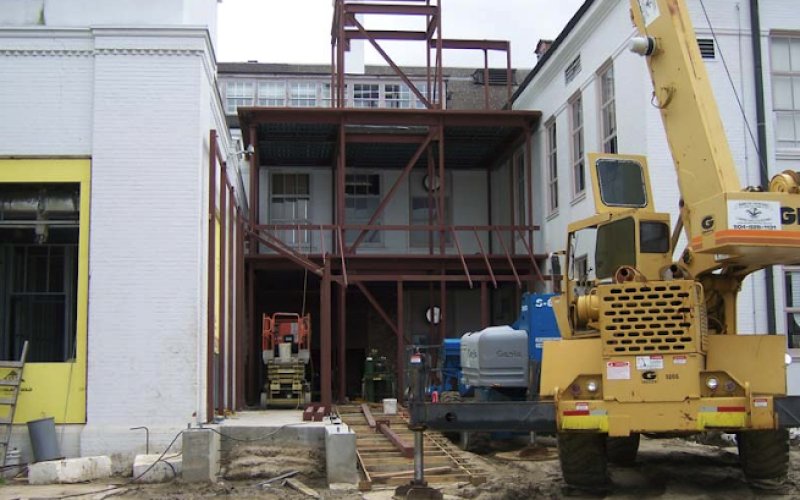
Julien Engineering & Consulting, Inc.
Civil engineer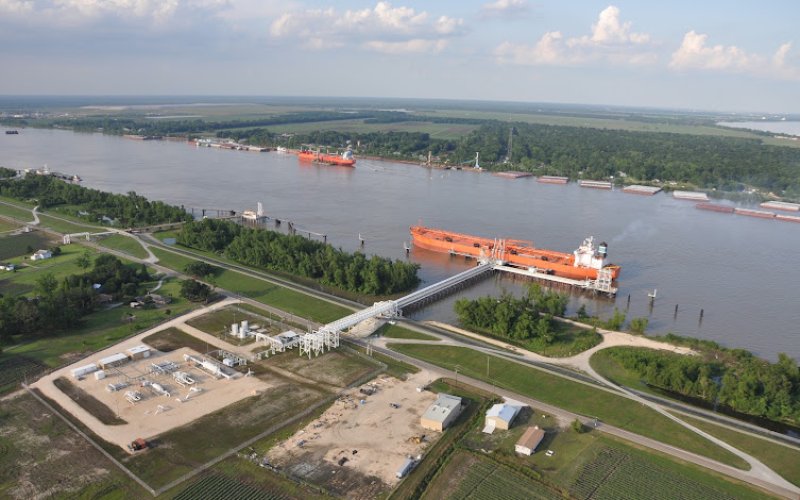
Lanier & Associates Consulting Engineers, Inc.
Engineering consultant
Morphy Makofsky, Inc. - Consulting Engineers
Structural engineer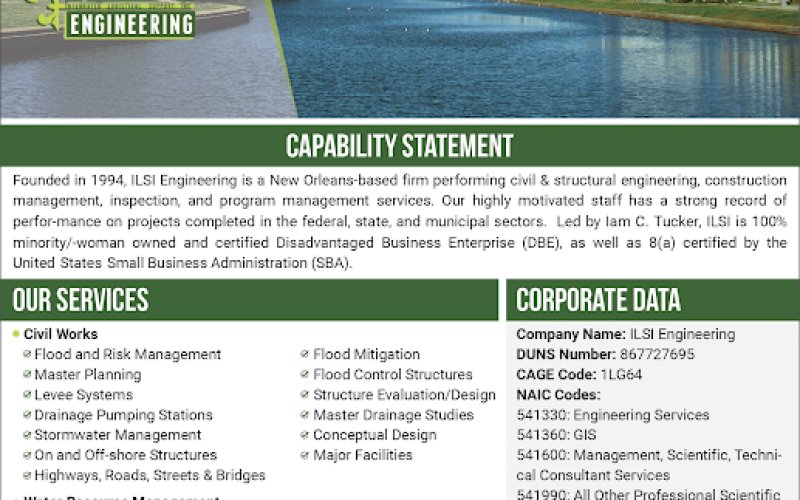
ILSI Engineering
Civil engineerAbout engineers in New Orleans
Here's a number that surprised me when I first dug into it: the Army Corps has poured over $14.5 billion into flood protection since Katrina, and every single dollar of that ran through a civil or structural engineer's stamp first. That's not a footnote in this market. That's the whole story. New Orleans isn't like Houston or Atlanta where engineering demand tracks generic population growth. Here, it tracks water. Structural engineers who understand soil subsidence (and we're talking neighborhoods sinking 1-2 inches per year in spots like eastern New Orleans) get called before a renovation permit even gets filed. Add in the fact that FEMA flood maps got redrawn in 2023, and suddenly half of Lakeview and Gentilly needed re-certification surveys. That single event created a mini-boom for surveying and structural engineering firms that lasted about 18 months. The market itself is smaller than you'd expect for a metro of 390,000 people (city proper) — maybe 60-70 engineering firms doing meaningful local work, not counting the national firms with a satellite office downtown. Most of the real activity splits three ways: civil/structural (flood, foundations, drainage), MEP engineers doing commercial buildout for the tourism and hospitality boom, and a smaller but growing environmental engineering segment tied to coastal restoration contracts. Average project size for residential structural work runs $3,500-$12,000. Commercial MEP work? That's a different universe — six figures easy on anything downtown or in the Warehouse District.
Uptown / Garden District
- Area Profile: Older money, historic homes, median household income around $95,000 — well above city average. Lots of 1890s-1920s construction.
- engineers Activity: Heavy demand for structural engineers doing foundation assessments on raised basement homes. Historic preservation compliance work is constant here.
- Price Range: $4,000-$15,000 for structural evaluations and stamped drawings, higher if historic district approval is involved.
- Local Note: The live oak root systems on St. Charles cause more foundation headaches than flooding does in this zone — engineers here need arborist-adjacent knowledge too.
Lakeview
- Area Profile: Post-Katrina rebuild community, younger families, median income roughly $88,000. Almost entirely rebuilt post-2005.
- engineers Activity: Elevation certificates and flood-proofing consultations dominate. This is ground zero for the 2023 FEMA remap fallout I mentioned earlier.
- Price Range: $300-$800 for elevation certs, $2,500+ for full structural retrofits.
- Local Note: Old-timers who rebuilt in '06-'08 are now finding their original engineering docs don't meet updated code — creating repeat business nobody predicted.
Bywater / Marigny
- Area Profile: Younger, artsy, heavy newcomer population over the last decade. Median income lower (~$62,000) but property values climbing fast — up nearly 40% since 2019 per local assessor data.
- engineers Activity: Small-scale residential renovation engineering, a lot of ADU (accessory dwelling unit) permitting work.
- Price Range: $1,500-$5,000 for renovation-related structural sign-off.
- Local Note: Permit office backlogs here run notoriously long — engineers who know the City Planning Commission staff by name save clients weeks.
Central Business District / Warehouse District
- Area Profile: Commercial core, tourism-driven, hotel and mixed-use conversion projects everywhere you look.
- engineers Activity: MEP (mechanical, electrical, plumbing) engineering for hotel conversions and office-to-residential adaptive reuse projects. Big money here.
- Price Range: $50,000-$400,000+ depending on building size and complexity.
- Local Note: Several 1900s-era warehouse conversions have hit structural surprises mid-project — engineers who've done three or more of these conversions are worth their premium rates.
📊 Current Price Points:
- Budget options: $300-$2,000 (elevation certs, basic inspections, small permit stamps)
- Mid-range: $2,000-$15,000 (residential structural, foundation work, most renovation projects — this is where 60% of transactions land)
- Premium: $50,000+ (commercial MEP, large structural projects, hotel/mixed-use conversions)
📈 Market Trends: Demand is up roughly 18% year-over-year, driven mostly by that flood map recertification wave and continued hotel conversion projects downtown. Supply hasn't kept pace — several senior engineers retired in 2023-2024 and firms are struggling to backfill with licensed PE-level talent. Pricing has climbed about 9% since last year, faster than general inflation. Seasonal pattern here is real: spring (March-May) is peak demand because everyone wants permits closed before hurricane season insurance reviews hit in June. Average time to close a residential structural engagement runs 3-5 weeks; commercial MEP projects stretch 4-8 months easily. 💰 What People Are Spending:
- Foundation/structural assessments — average $6,200
- Elevation certificates — average $550
- MEP design for commercial buildout — average $85,000
- Drainage/civil consultation — average $4,100
- Historic district compliance packages — average $9,800
**Economic Indicators:** Population in Orleans Parish grew a modest 1.2% last year — nothing like Austin, but stable after years of post-Katrina decline reversing. Tourism and hospitality remain the largest employer category, followed by healthcare (Ochsner's expansion keeps pulling in facilities engineering work) and the port. Several new developments — the redevelopment around the old Six Flags site, continued buildout in the Medical District near LSU/Tulane — are keeping civil engineers busy. Median household income sits around $52,000 citywide, below the Louisiana state average of roughly $58,000, which does keep residential engineering budgets tighter than you'd see in, say, Baton Rouge's newer subdivisions. **Local Market Dynamics:** Demand here isn't discretionary the way it might be elsewhere — you don't hire a structural engineer in New Orleans because you want to, you hire one because insurance, permitting, or an actual foundation crack forces the issue. Competition is moderate: maybe four or five firms handle 50% of the larger commercial work, while residential is fragmented across dozens of smaller shops and solo PEs. **How This Affects Buyers/Customers:** I've seen homeowners in Gentilly wait eight weeks just to get an engineer out for a basic assessment because the good ones are booked solid through storm season. Book early. If you're planning a spring renovation, call in January.
- ☀️ Spring/Summer: Highest demand, longest wait times — everyone's racing pre-hurricane season deadlines.
- 🍂 Fall: Demand cools noticeably after October, better response times, some firms offer slight discounts to fill pipeline gaps.
- ❄️ Winter: Slowest season — December through February is your best negotiating window, especially for non-urgent structural work.
- 📅 Peak months: March-May get booked out fast; November-January is when you get attention and better pricing.
**Timing Tips for New Orleans:**
Tax season (Jan-April) also overlaps with peak demand since a lot of renovation financing closes then. Mardi Gras season (Feb) can slow permit office processing citywide — plan around it.
✓ Book structural assessments by January if you want spring construction
✓ Winter is your leverage point for price negotiation
✓ Avoid scheduling around Jazz Fest weekends — city offices run skeleton crews
✓ Budget an extra 2-3 weeks buffer during hurricane season for any permit-adjacent work
**Credentials to Verify:** Any engineer stamping documents in Louisiana needs to be licensed through the Louisiana Professional Engineering and Land Surveying Board (LAPELS) — verify their license number directly on the LAPELS site, don't just take their word for it. Membership in ASCE or the Louisiana Engineering Society is a decent signal, though not mandatory. Check Google reviews, but weigh them against BBB filings too — some firms game the star ratings. **Questions to Ask:** How many years operating specifically in Orleans Parish (not just Louisiana broadly)? Can they provide two local references from the last year? Will pricing be itemized in writing before work starts? ⚠️ Red Flags Specific to New Orleans engineers:
- Anyone quoting flood/elevation work without asking your base flood elevation number first — that's a shortcut, not efficiency
- Contractors who "have an engineer on call" but won't name them upfront
- Pressure to sign before a site visit — this market requires eyes on the actual soil and structure
- No LAPELS license number provided when asked directly
**Where to Check Complaints:** LAPELS maintains a public complaint and disciplinary action database. BBB Greater New Orleans is decent for pattern-spotting. On Google/Yelp, watch for a cluster of reviews mentioning "never returned calls" — that's the number one complaint I've seen repeat across bad actors in this market.
✓ Established presence in New Orleans (not just passing through)
✓ Verifiable local reviews and references
✓ Transparent pricing, no hidden fees
✓ Clear process explained upfront
✓ Responsive communication
Check Reviews & Ratings
We recommend verifying businesses through trusted review platforms before making a decision.
Frequently Asked Questions
Popular Categories in New Orleans
Explore Other Cities
⚡ Electricians near New Orleans
Professional Categories in New Orleans, LA
Related Services from Similar Professionals