Top-Rated Engineers Serving Milwaukee, WI
Welcome to your one-stop directory for Milwaukee's engineering pros—whether you need someone to fix a leaky pipe system or design the next big structure downtown, we've got you covered. Poke around, find the right fit, and get your project moving.
Map of Businesses in Milwaukee
All Listings in Milwaukee
10 businesses
Collins Engineers, Inc.
Engineering consultant
DAAR Engineering, Inc.
Civil engineering company
GESTRA Engineering Inc.
Engineering consultant
Harwood Engineering Consultants, Ltd.
Engineering consultant
Pierce Engineers Inc
Engineer
RTM Engineering Consultants
Engineering consultant
B83 Testing & Engineering
Engineering consultant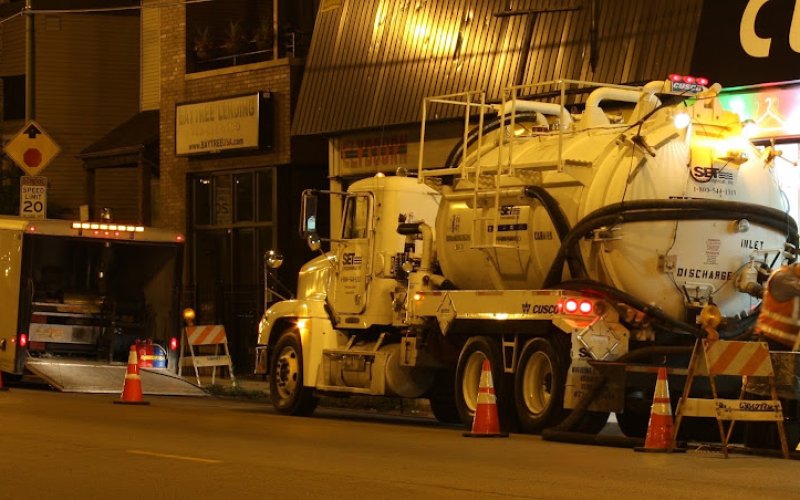
SET Engineering Group, an SET Environmental, Inc. company
Engineering consultant
GRAEF
Engineering consultant
A R Engineering
ManufacturerAbout engineers in Milwaukee
Here's something people don't think about: a city built on cream city brick and a century of freeze-thaw cycles produces a very specific kind of engineering demand — one that's less about flashy new towers and more about figuring out what's happening behind a wall that's been there since 1920.
The engineering scene here breaks down roughly the way it does in most mid-sized Midwest metros — a handful of larger, multi-discipline firms handling commercial and municipal work, and a bigger pool of smaller consulting practices and solo PEs who focus on residential inspections, structural evaluations, and the kind of project-specific reports homeowners and small contractors actually need. Both ends of that spectrum stay busy in Milwaukee, just for different reasons.
Demand tends to track construction and renovation activity, plain and simple. New builds need engineering sign-off, older homes need someone to assess a foundation crack or a sagging beam before a renovation moves forward, and permitting offices often require a stamped report before they'll approve anything structural. So the work follows the building cycle — when people are buying older homes and fixing them up, or when developers are breaking ground, engineers get busier.
Who's actually hiring them? A wide mix — homeowners dealing with a specific concern (basement water, a bowing wall, an addition they want to build), contractors who need a stamped plan to pull a permit, real estate investors doing due diligence on older properties, and developers or municipalities working on larger projects. Milwaukee's housing stock skews older in a lot of established neighborhoods, and that alone keeps residential structural work steady.
Bay View
- Area Character: A walkable, historically working-class neighborhood that's seen steady reinvestment, with a mix of older bungalows, duplexes, and converted industrial buildings.
- Engineers Relevance: Older housing stock means foundation, structural, and renovation-related engineering needs are common — especially with additions or conversions.
- Good to Know: If you're renovating an older duplex here, get a structural opinion before you commit to a design — older lot lines and setbacks can complicate what you're allowed to build.
Downtown / East Town
- Area Character: Milwaukee's urban core — high-rises, mixed-use development, and a growing residential population living in converted or new-build condos.
- Engineers Relevance: Commercial and multi-family engineering work dominates — structural reviews for adaptive reuse projects, MEP coordination, and code compliance for higher-density buildings.
- Good to Know: Projects downtown often move through more layers of permitting review than a single-family remodel elsewhere in the city, so build extra time into your schedule.
Riverwest
- Area Character: A dense, eclectic neighborhood along the Milwaukee River known for older frame houses and a strong sense of local identity.
- Engineers Relevance: Proximity to the river means some properties deal with drainage and moisture concerns, on top of the usual older-home structural questions.
- Good to Know: If your property is anywhere near the river, ask a prospective engineer directly about their experience with moisture and grading issues — not every residential engineer specializes in that.
📐 What Drives the Price:
- Scope matters more than anything — a quick visual inspection and letter is a different animal than a full structural analysis with stamped drawings.
- Project size and complexity, whether it's a single beam or a whole foundation system, changes both the time involved and the liability the engineer is taking on.
- Timeline pressure — rush jobs, especially ones tied to a real estate closing deadline, tend to cost more.
- Whether the deliverable needs to be a fully stamped, permit-ready report or just a professional opinion for your own peace of mind.
- Because none of this is standardized, getting a few local quotes is genuinely the only reliable way to know what your specific project will cost in Milwaukee right now.
📈 General Patterns:
Demand for engineers generally rises and falls with local construction and permitting activity — busier building seasons mean busier engineers, and that can affect both price and how fast someone can get to you. Timelines depend on site visit scheduling, how backed up the local permit review process is, and how complicated the project turns out to be once someone's actually looked at it.
- Get at least two or three quotes for anything beyond a basic inspection, and make sure each quote covers the same scope of work — apples to apples.
- Ask upfront whether the quote includes the site visit, the written report, and any follow-up consultation, or if those are billed separately.
- Be specific about your timeline and your end goal (permit application, real estate transaction, insurance claim) — it changes what kind of report you actually need, and therefore the price.
An engineer who works in Milwaukee regularly knows the local permitting process, has likely dealt with the city's older housing stock before, and understands the kinds of structural quirks that show up again and again in this climate — freeze-thaw damage, older foundation types, that sort of thing.
They're also just easier to deal with if a question comes up six months after the report is filed. A local reputation is checkable — you can find past clients, ask around, look at review patterns — in a way that's much harder with someone who flew in for one job.
What This Means for You:Practically speaking, it means fewer surprises. Someone who already knows how the local permitting office likes reports formatted, or what the inspector down the street tends to flag, saves you time and back-and-forth. It's not that an outside engineer can't do good work — it's that local familiarity reduces friction.
- ☀️ Spring/Summer: Peak season for construction and renovation in most cold-climate cities, which usually means engineers are busier and booking further out.
- 🍂 Fall: Often a good window — construction is still active but the frantic spring rush has settled, so scheduling tends to be a little easier.
- ❄️ Winter: Frequently a planning and permitting season — good time to line up inspections or reports for projects you want to start once weather breaks.
- 📅 Larger or permit-dependent projects benefit from booking well ahead, since design and review can take longer than the actual construction.
✓ If you know you want to build or renovate in spring, start the engineering and permitting conversation in winter — you'll thank yourself later.
✓ Don't wait until a real estate closing deadline to schedule a structural inspection; give yourself buffer room.
✓ Ask a potential engineer directly about their current backlog — a straight answer about scheduling tells you a lot about how organized they are.
✓ If your project isn't time-sensitive, off-peak scheduling (late fall, deep winter) can mean more attentive service simply because they're less slammed.
First thing — confirm they hold a current Professional Engineer (PE) license, and that it covers the actual discipline your project needs (structural, civil, mechanical — these aren't interchangeable). You can check with Wisconsin's professional engineering licensing board to confirm a license is active and in good standing.
Beyond the license, ask about direct experience with your specific project type. An engineer who mostly does commercial HVAC design isn't necessarily who you want evaluating a residential foundation. Reviews help, but read them for specifics — mentions of clear communication, accurate reports, and follow-through matter more than a star rating alone.
Questions to Ask:- How long have you been working in the Milwaukee area specifically?
- Can you provide references from similar local projects?
- What's your process, and will the final report or plans be professionally stamped?
⚠️ General Red Flags:
- Hesitation or vagueness when asked to confirm their PE license is current.
- No local references or an unwillingness to provide any.
- Pressure to sign quickly or pay a large deposit before scope is clearly defined.
- Vague, verbal-only assessments with no written or stamped documentation offered.
Start with Wisconsin's professional engineering licensing board or the state consumer protection office for any formal disciplinary history. Cross-check with the BBB, and read Google reviews looking specifically for patterns — one bad review can be an outlier, but repeated complaints about missed deadlines or unresponsive communication are worth taking seriously.
✓ Established presence in Milwaukee (not just passing through)
✓ Verifiable local reviews and references
✓ Transparent pricing, no hidden fees
✓ Clear process and deliverables explained upfront
✓ Responsive communication
Check Reviews & Ratings
We recommend verifying businesses through trusted review platforms before making a decision.
Frequently Asked Questions
Popular Categories in Milwaukee
Explore Other Cities
⚡ Electricians near Milwaukee
Professional Categories in Milwaukee, WI
Related Services from Similar Professionals