Your Portland, OR Engineers, Sorted and Simplified
Hey there! Welcome to the Portland engineers directory—glad you found your way here. Whether you're looking to connect with local talent or just poking around to see who's building cool stuff in the city, you're in the right place.
Map of Businesses in Portland
All Listings in Portland
10 businesses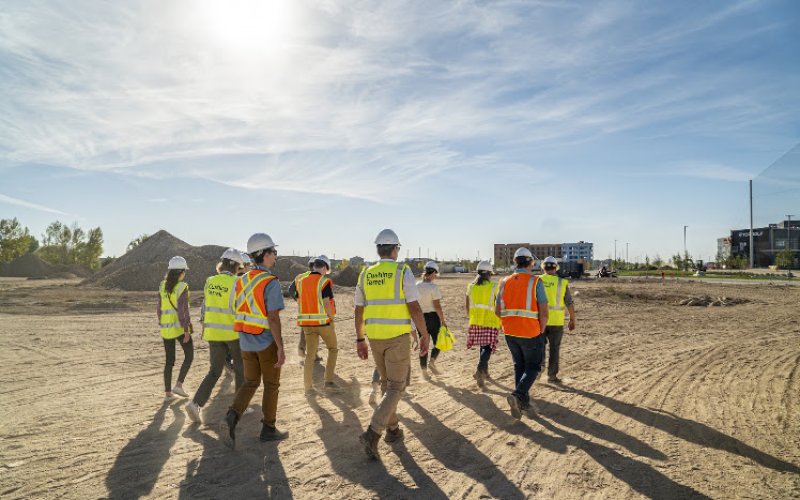
Cushing Terrell - Architecture, Engineering, and Design Firm in Portland, OR
Structural engineer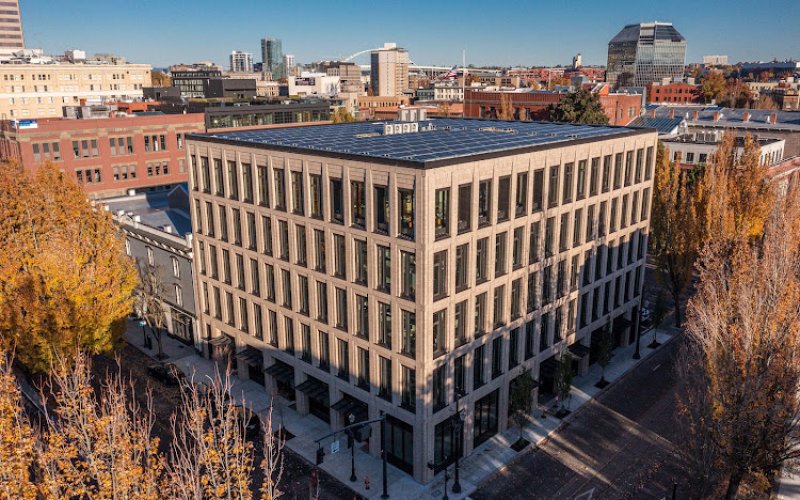
PAE
Engineering consultant
BSM Engineering
Structural engineer
Grummel Engineering LLC
Engineer
JHI Engineering
Engineering consultant
MLC Engineering Llc
Engineer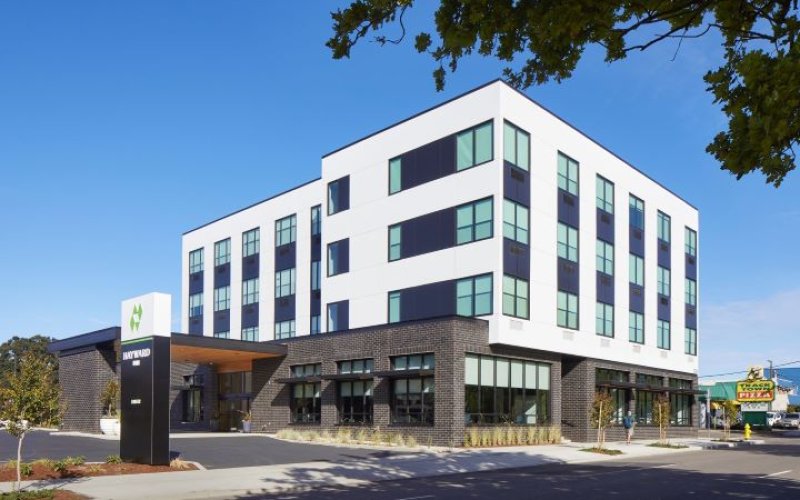
VLMK Engineering + Design
Civil engineer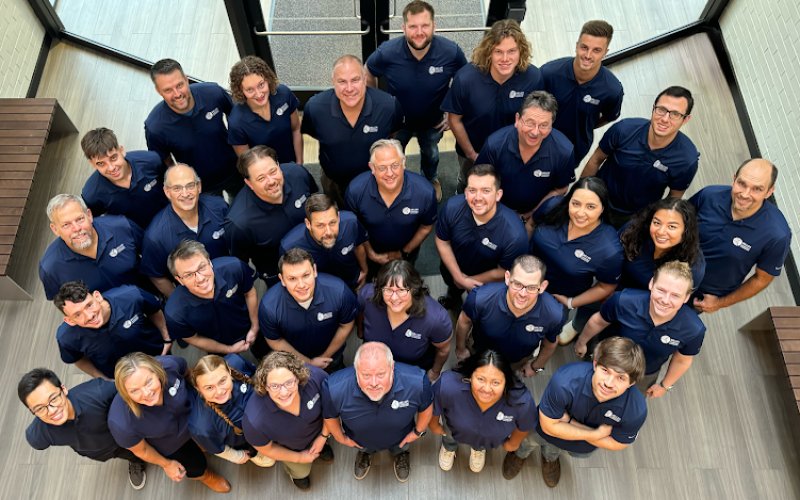
Miller Consulting Engineers
Engineering consultant
Sherman Engineering Inc
Engineering consultant
Portland Engineering Inc
Engineering consultantAbout engineers in Portland
Here's the thing about Portland: a huge chunk of its housing stock predates modern seismic codes, which means the "quick load-bearing wall check" a lot of homeowners want turns into a much bigger conversation fast.
The engineering scene here splits pretty cleanly into two camps. You've got small, often one- or two-person structural or civil consulting practices that live and breathe residential work — foundation issues, additions, ADUs, that sort of thing. Then there are the larger multi-disciplinary firms that handle commercial builds, municipal infrastructure, and the kind of permit-heavy projects where you need someone who can sit in a meeting with the city and not blink.
Demand tends to track whatever's happening in construction and renovation locally — new builds, remodels, ADU conversions (Portland's had a lot of interest in those), and plain old permitting requirements that force a stamped report before the city will sign off on anything. Homeowners hire engineers for one-off problems. Contractors and developers hire them as a routine part of doing business. Municipalities hire them for infrastructure and public safety work that never really stops.
What's genuinely distinctive here isn't invented — it's the Pacific Northwest itself. Seismic risk is a real design consideration in this region, the older bungalow and craftsman neighborhoods mean a lot of foundation and retrofit work, and the wet climate creates its own steady stream of drainage, grading, and moisture-related structural questions. None of that is marketing spin — it's just what building in this part of the country involves.
Southeast Portland
- Area Character: A mix of older bungalows, craftsman homes, and a steady wave of infill development and ADUs.
- Engineers Relevance: Lots of demand for foundation evaluations, structural additions, and ADU/accessory structure design given the age of the housing stock.
- Good to Know: If your home was built decades ago, budget time for the engineer to actually get under the house or into the crawlspace — access issues are common and can affect scheduling.
North/Northeast Portland
- Area Character: Historic residential blocks alongside newer construction and ongoing redevelopment.
- Engineers Relevance: Renovation and remodel work is common, plus new-construction structural design in areas seeing infill.
- Good to Know: Older homes in this area sometimes have undocumented past work — an engineer may ask for permit history, so pulling that ahead of time can speed things up.
Downtown / Central City
- Area Character: Dense urban core with commercial buildings, mixed-use development, and older multi-story structures alongside newer builds.
- Engineers Relevance: Commercial structural work, tenant improvements, and code-driven upgrades tend to dominate here rather than single-family residential jobs.
- Good to Know: Projects downtown often move through a more involved permitting and inspection process — factor that into your timeline expectations.
📐 What Drives the Price:
- Scope matters more than almost anything else — a basic stamped letter for a permit is a different animal than a full structural design with drawings and calculations.
- Project size and complexity, site accessibility, whether the engineer needs to coordinate with an architect or contractor, and how tight your timeline is all move the number.
- Because none of that is standardized, the only real way to know current pricing is to get a few local quotes and compare scope, not just the bottom line.
📈 General Patterns:
Demand for engineers generally rises and falls with local construction and permitting activity — busier building seasons mean busier engineers, which can push out scheduling even if rates don't change much.
Timelines depend on site visit availability, how backed up the permit review process is at that moment, and how complicated your specific project turns out to be once someone actually looks at it.
- Ask for a written scope of work, not just a number — "structural review" can mean five different things.
- Get at least two or three quotes for anything beyond a simple inspection, and make sure they're quoting the same deliverable.
- Ask upfront whether the quote includes site visits, revisions, and the stamped final report, or whether those are billed separately.
An engineer who works in Portland regularly already knows the local permitting process, the common quirks of the area's older housing stock, and what the city's inspectors tend to flag. That's not something you can fully replicate with someone flying in from out of the region.
Local also just means reachable. If something comes up three months after the report — a contractor has a question, an inspector wants clarification — you want someone who's still going to be around and answering the phone.
And reputation is actually checkable here. A firm with years of Portland projects has a trail — reviews, references, past clients you can call — in a way an unfamiliar out-of-town name doesn't.
What This Means for You:Practically speaking, it means fewer surprises during permitting and fewer awkward gaps between what an engineer designed and what the city actually wants to see. It's not a guarantee of quality, but it stacks the odds in your favor.
- ☀️ Spring/Summer: Typically the busiest stretch for construction and renovation, so engineers' schedules fill up faster.
- 🍂 Fall: Often a good window — post-peak-season, before the winter planning rush.
- ❄️ Winter: Frequently when homeowners and contractors start planning and permitting for the following year's projects.
- 📅 Anything permit-dependent or structurally complex benefits from booking well ahead, regardless of season.
- ✓ If your project isn't urgent, consider scheduling assessments in the off-season when engineers have more availability.
- ✓ Get on a good engineer's calendar early if you know permit season is coming — don't wait until spring to start calling.
- ✓ Ask directly about their current booking window; it tells you a lot about how in-demand they are right now.
- ✓ Build buffer time into your project schedule for permit review — that's usually the part outside anyone's control.
Confirm they hold a current Professional Engineer (PE) license, and — this matters — that it's in the actual discipline your project needs (structural, civil, geotechnical, etc.). Check with OR's professional engineering licensing board to verify status if you're unsure. Ask about direct experience with your project type, and look for a track record you can actually verify through reviews and references, not just a polished website.
Questions to Ask:- How long have you been working on projects in the Portland area specifically?
- Can you provide references from local clients with a similar project?
- What's your process, and will the final deliverable be a professionally stamped report or set of plans?
⚠️ General Red Flags:
- Hesitation or vagueness about confirming their PE license is active and in good standing.
- No verifiable local references or reviews you can actually follow up on.
- Pricing that seems drastically lower than every other quote with no clear explanation.
- Unwillingness to put scope, deliverables, or timeline in writing.
- Your state's professional engineering licensing board or consumer protection office.
- The Better Business Bureau.
- Google reviews — watch for repeated complaints about missed deadlines, incomplete reports, or poor communication rather than one-off gripes.
✓ Established presence in Portland (not just passing through)
✓ Verifiable local reviews and references
✓ Transparent pricing, no hidden fees
✓ Clear process and deliverables explained upfront
✓ Responsive communication
Can't or won't confirm active PE licensure.
No written scope of work or contract before starting.
Refuses to provide any references or past project examples.
Pressures you into a decision before you've had time to compare quotes.
Check Reviews & Ratings
We recommend verifying businesses through trusted review platforms before making a decision.
Frequently Asked Questions
Popular Categories in Portland
Explore Other Cities
⚡ Electricians near Portland
Professional Categories in Portland, OR
Related Services from Similar Professionals