Trusted, Top-Rated Engineers in Philadelphia, PA
Welcome to your local engineers directory in Philadelphia, PA. Find trusted professionals in your area.
Map of Businesses in Philadelphia
All Listings in Philadelphia
8 businesses
KS Engineers, P.C.
Civil engineer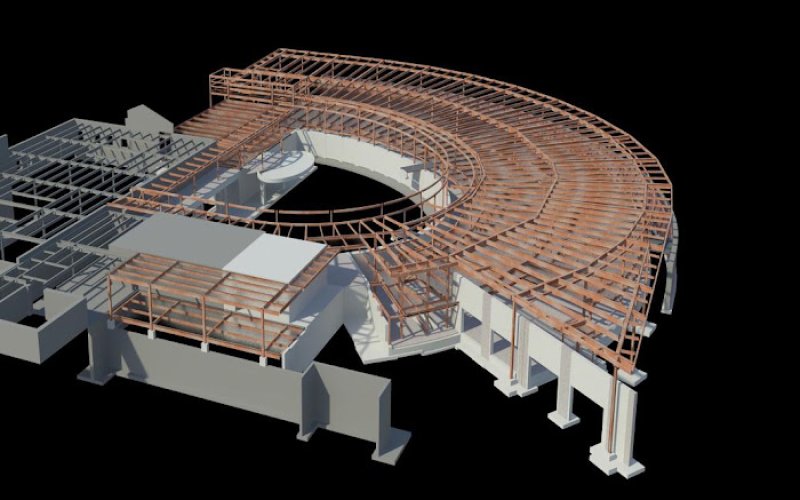
O'Donnell & Naccarato (Philadelphia, PA)
Structural engineer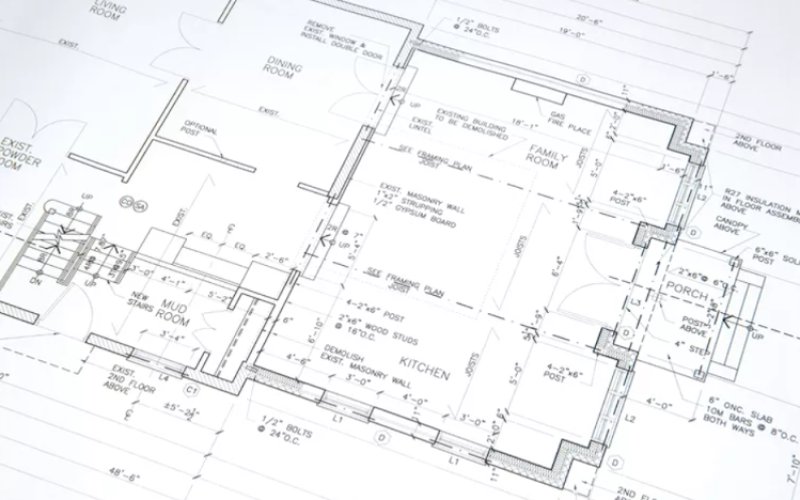
Reynolds Engineering Company
Structural engineer
UR Engineering
Engineering consultant
Urban Engineers, Inc.
Engineering consultant
Burns Engineering, Inc.
Engineering consultant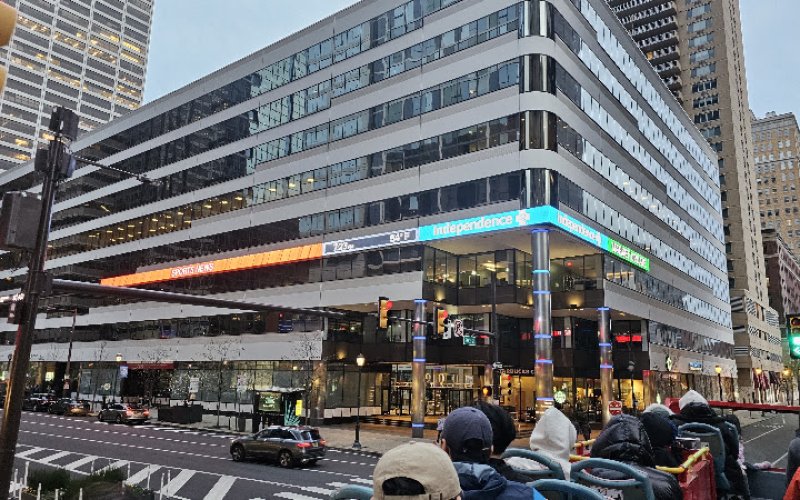
Pennoni
Engineering consultant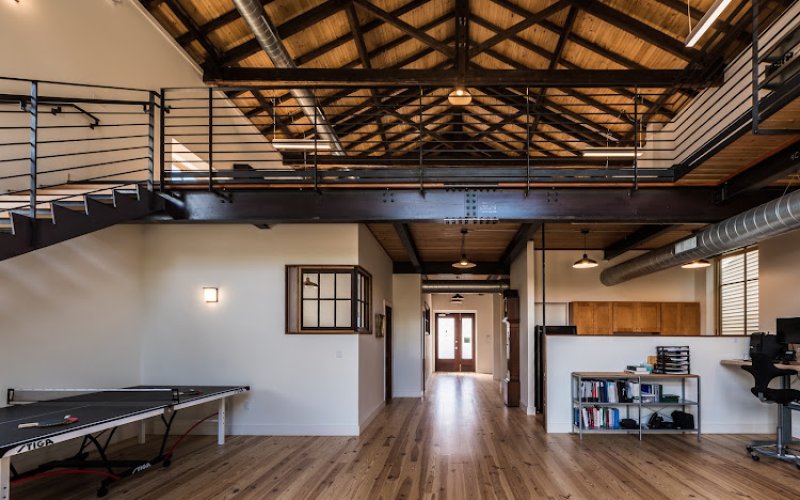
J and M Engineering
Engineering consultantAbout engineers in Philadelphia
Here's a number that surprised even me: Philadelphia added roughly 3,200 engineering jobs between 2022 and 2024, per Bureau of Labor Statistics regional data, even as the city's overall population growth crawled along at under 1% annually. Something's pulling engineers here that isn't population math. And if you've driven past the Navy Yard lately, or watched the cranes stack up around Schuylkill Yards near 30th Street Station, you already know what it is.
The engineering market in Philly right now is basically a tale of two economies. On one side you've got legacy infrastructure work—water systems, bridges (looking at you, I-95 patches), SEPTA's aging rail network—that keeps structural and civil engineers busy at a pretty steady clip. On the other side, there's a real surge in biotech and life sciences engineering tied to the Cellicon Valley boom stretching from University City down through the Navy Yard. Cira Centre South, the King of Prussia life sciences cluster spillover, Spark Therapeutics expansion—these aren't abstract trends, they're actual project pipelines generating six and seven-figure engineering contracts.
Transaction volume-wise, we're talking about a market with somewhere around 340 engineering firms operating in the five-county metro, according to industry association estimates, ranging from solo structural consultants working out of a Fishtown rowhome office to massive multinational firms with a Center City tower presence. Average project size for mid-tier civil/structural work runs $45,000-$180,000. Median household income for the metro sits at $79,200 versus the PA state average of $73,100—so there's real purchasing power backing both residential and commercial engineering demand. Main customers? Split pretty evenly between developers doing multifamily conversions (Philly's converted more old industrial buildings into apartments than almost any East Coast city), homeowners in historic districts needing structural sign-off, and institutional clients—universities, hospitals, SEPTA, PWD—running long-term capital projects.
University City
- Area Profile: Anchored by Penn and Drexel, this is grad students, biotech researchers, and a growing professional class. Median income skews high, around $68K, but there's huge income variance block to block.
- engineers Activity: Heavy demand for lab/cleanroom design engineers and structural retrofits on century-old academic buildings. MEP (mechanical, electrical, plumbing) engineers stay booked here.
- Price Range: $60,000-$250,000 for institutional-scale projects; smaller consulting jobs run $8,000-$25,000.
- Local Note: Penn's campus expansion means engineers here deal with a lot of historic preservation overlay rules—not every firm is equipped for that red tape.
Northern Liberties / Fishtown
- Area Profile: Younger, newcomer-heavy, gentrified fast over the last decade. Old-timers will tell you this was industrial warehouse territory 15 years ago—now it's condos and craft breweries.
- engineers Activity: Structural engineers doing adaptive reuse—converting old factories and warehouses into residential lofts. Also a lot of small-scale civil work for infill construction.
- Price Range: $15,000-$80,000 typical residential/small commercial scope.
- Local Note: Soil conditions near the old industrial sites sometimes surprise developers—geotechnical engineers are doing brisk business here specifically because of contamination and foundation issues nobody expects until they break ground.
Center City / Rittenhouse
- Area Profile: The financial and legal core, high-density, high-income ($95K+ median in some tracts), lots of high-rise stock from the 1960s-80s needing systems upgrades.
- engineers Activity: HVAC and structural engineers dominate, driven by aging tower retrofits and post-pandemic office-to-residential conversions.
- Price Range: $100,000+ for full-building system assessments; smaller consulting engagements $20,000-$50,000.
- Local Note: Office vacancy sitting around 20% in parts of Center City has actually created a mini-boom for conversion engineers—developers need feasibility studies before they'll touch a building.
📊 Current Price Points:
- Budget options: $2,500-$12,000 (small residential structural assessments, single-system consultations)
- Mid-range: $15,000-$85,000 (most popular segment—renovation projects, small commercial builds, MEP design)
- Premium: $100,000+ (institutional, life sciences, large multifamily, ground-up commercial)
📈 Market Trends: Demand's up about 11% year-over-year, largely driven by that life sciences buildout I mentioned plus continued residential conversion work. Supply of qualified structural and civil engineers is actually tightening—several old-guard firms retired their principals in 2023-2024 without clean succession plans, which locals in the industry have definitely noticed. Pricing's drifted up 6-8% since 2024, partly materials-cost pass-through, partly just fewer available senior engineers to go around. Seasonally, Philly follows a predictable pattern: permitting and planning work spikes January through March (everyone wants shovels in the ground by spring), construction-phase engineering peaks April-October, and things go quiet November-December except for emergency/insurance-related structural work. Average project timeline from initial consultation to completed engineering deliverable runs 6-14 weeks depending on complexity. 💰 What People Are Spending:
- Structural assessments & retrofits — average $22,000
- MEP system design/upgrades — average $38,000
- Civil site engineering (grading, drainage, utilities) — average $45,000
- Environmental/geotechnical studies — average $17,500
- Full-service project engineering (multi-discipline) — average $95,000+
Economic Indicators: Philly's population grew a modest 0.4% last year but the metro's economic output tells a different story—GDP growth outpacing population growth thanks to healthcare, education, and life sciences. Major employers driving engineering demand include Penn Medicine, Comcast, Independence Blue Cross, and a growing cluster of biotech firms at the Navy Yard and Schuylkill Yards. Median household income of $79,200 versus PA's $73,100 statewide average means there's disposable capital for both commercial development and residential renovation work.
Local Market Dynamics: Demand here is really a three-legged stool—institutional capital projects (universities, hospitals, transit), private commercial development (life sciences, office conversion), and residential renovation in gentrifying neighborhoods. No single firm dominates; the market's fragmented enough that a well-run 15-person shop can compete for mid-size contracts against the big national players. Recent shift worth noting: office-to-residential conversion has become its own engineering subspecialty because of Center City's vacancy problem.
How This Affects Buyers/Customers: If you're a homeowner in a Queen Village rowhome needing a structural sign-off for a rear addition, you're competing for engineer time against developers running $2M conversion projects—which means booking 4-6 weeks out isn't unusual anymore, versus the 1-2 week turnaround you might've gotten in 2019.
Philadelphia Seasonal Patterns:
- ☀️ Spring/Summer: High demand, construction season in full swing, expect premium pricing and longer wait times for top firms.
- 🍂 Fall: Demand starts easing by October—good window for negotiating rates before winter lull.
- ❄️ Winter: Slowest season except emergency/insurance work; some firms offer 10-15% discounts to keep crews busy.
- 📅 Peak months: January-March for planning/permitting work (everyone's racing to get permits before spring construction), avoid if you want negotiating leverage.
Timing Tips for Philadelphia: Best deals typically show up November through early January, when firms have slower pipelines. Inventory of available senior engineers peaks in late fall. Tax season (through April) also affects small business clients' willingness to commit budget, so some firms see a secondary demand dip in Q1 among smaller commercial clients even while institutional planning work ramps up.
Smart Timing Tips:
- ✓ Lock in contracts by December for spring construction starts—you'll beat the March rush
- ✓ Ask about winter discount rates if your project isn't weather-dependent
- ✓ Avoid starting permit applications in February/March if you can—city review times slow due to volume
- ✓ Budget an extra 2-3 weeks buffer for anything touching historic district approval (common in Old City, Society Hill, Rittenhouse)
Credentials to Verify: In Pennsylvania, licensed Professional Engineers (PE) are regulated by the State Board of Professional Engineers, Land Surveyors and Geologists, under the PA Department of State. Always verify active PE license status directly through the state licensing lookup—don't just take a business card's word for it. Membership in ASCE (American Society of Civil Engineers) or the local Engineers' Club of Philadelphia (one of the oldest engineering societies in the country, founded 1877) is a decent legitimacy signal too.
Questions to Ask: How long has the firm operated specifically in Philadelphia (not just "the region")? Can they provide references from projects in your specific neighborhood, since permitting quirks vary by district? Is pricing itemized or a vague lump sum?
⚠️ Red Flags Specific to Philadelphia engineers:
- Firms quoting suspiciously fast timelines for historic district approvals—L&I and the Historical Commission don't move that fast, ever
- No physical Philadelphia office or listed local address, just a P.O. box or out-of-state HQ
- Reluctance to pull permits under their own PE stamp
- Pressure to sign before providing a written scope of work—common bait-and-switch where the quoted price balloons after contract signing
Where to Check Complaints: PA Department of State's licensing board complaint database, Better Business Bureau's Philadelphia chapter, and Google/Yelp reviews—though I'd say watch for patterns, not one-off complaints. A firm with 40 reviews and three bad ones about scheduling is normal. A firm with five total reviews and two describing scope changes mid-project? Walk away.
✓ Established presence in Philadelphia (not just passing through)
✓ Verifiable local reviews and references
✓ Transparent pricing, no hidden fees
✓ Clear process explained upfront
✓ Responsive communication
Check Reviews & Ratings
We recommend verifying businesses through trusted review platforms before making a decision.
Frequently Asked Questions
Popular Categories in Philadelphia
Explore Other Cities
⚡ Electricians near Philadelphia
Professional Categories in Philadelphia, PA
Related Services from Similar Professionals