Waco, TX's Trusted Engineers
Hey there! Welcome to the Waco engineers directory—glad you found your way here. Whether you're looking to connect with local talent or just poking around to see who's building cool stuff in town, you're in the right spot.
Map of Businesses in Waco
All Listings in Waco
9 businesses
Duff Consulting Engineers, Inc.
Engineer
Langerman Foster Engineering Company
Geotechnical engineer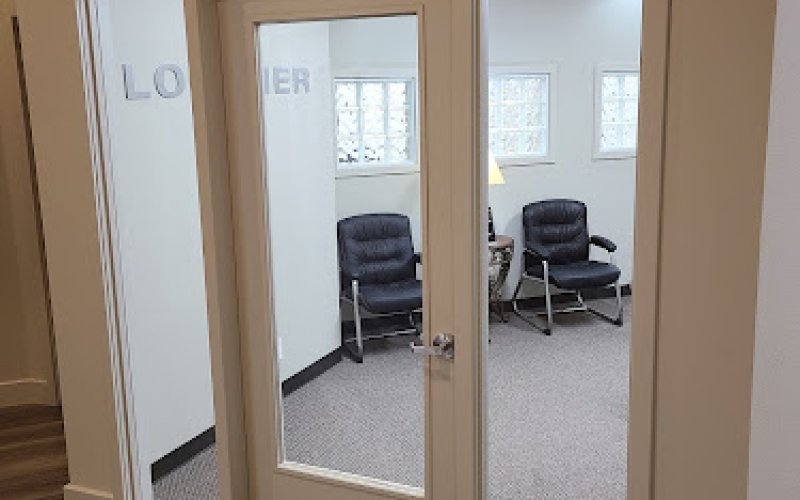
Lochner
Engineering consultant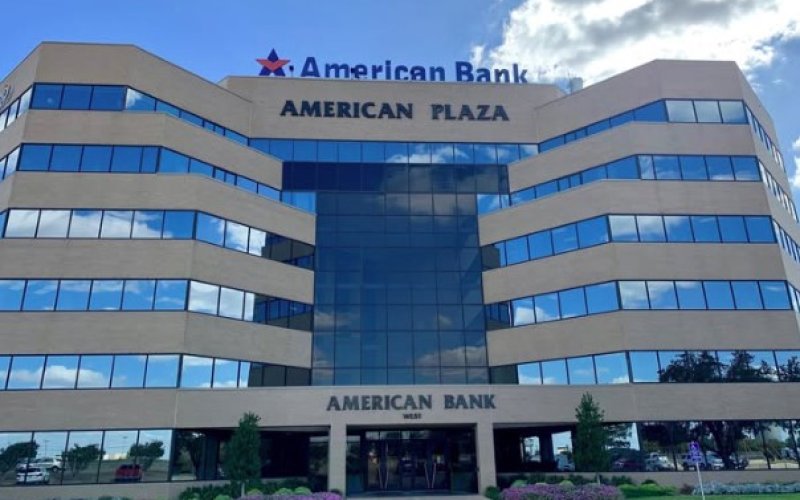
Merritt Engineering, LLC
Engineering consultant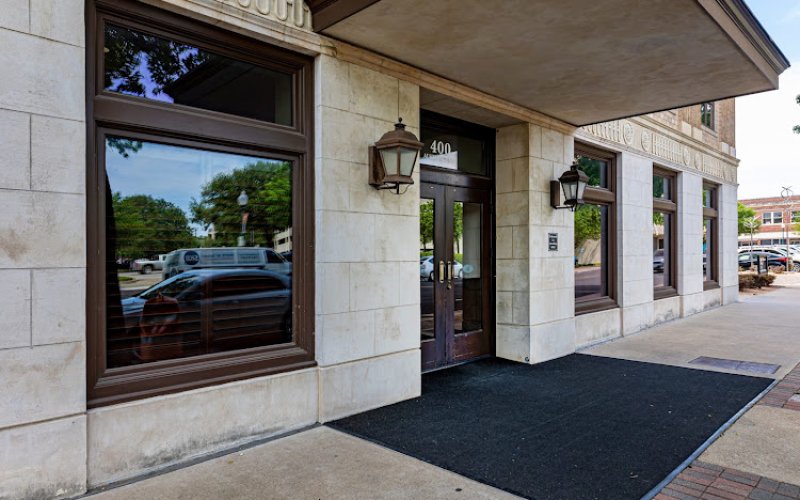
MRB Group - Waco
Civil engineer
Abacus Engineering Inc
Engineer
Walker Partners Engineers | Surveyors
Civil engineering company
Quiddity Engineering LLC
Civil engineering company
Schaumburg & Polk, Inc.
Engineering consultantAbout engineers in Waco
Here's something people don't expect: a huge chunk of engineering work in a city like Waco has nothing to do with skyscrapers or bridges. It's a foundation crack in a 1940s bungalow near Baylor, or a drainage report a builder needs before the county will sign off on a permit.
The engineering scene here runs the gamut from one-person consulting shops who've been doing residential inspections for twenty years to multi-discipline firms that handle municipal infrastructure and commercial site work. You've got structural engineers, civil engineers, geotechnical folks who deal with soil and foundations, and MEP engineers handling mechanical, electrical and plumbing systems for bigger builds. Most towns this size don't have room for hyper-specialization, so plenty of these firms flex across a few related disciplines rather than doing just one thing.
Demand tends to track whatever's happening with construction and renovation activity locally — new subdivisions going in, older homes getting additions, commercial buildouts needing a stamped set of plans before the city will touch a permit. Homeowners hire engineers for foundation concerns or storm damage assessments. Contractors and developers bring them in earlier, often before the first shovel goes in the ground. Municipalities and school districts hire them too, usually for infrastructure or public building projects.
Waco's own geography matters more than people think. This is Blackland Prairie clay soil country, and that clay expands and contracts with moisture in ways that genuinely stress foundations over time. Add in a flood-prone river running through downtown and periodic severe weather, and you've got a place where foundation and drainage expertise isn't optional — it's baked into the local building conversation.
Downtown / Central Waco
- Area Character: Older commercial buildings mixed with newer mixed-use development, much of it tied to the revitalization energy around the riverfront and Baylor's campus.
- Engineers Relevance: Older brick and masonry structures often need structural evaluation before renovation, especially adaptive reuse projects converting old warehouses or storefronts into something new.
- Good to Know: If you're renovating a historic building downtown, budget extra time for engineering review — older construction methods sometimes surprise you once walls come open.
South Waco / Woodway-adjacent areas
- Area Character: More suburban, with a steady mix of established neighborhoods and newer residential development pushing outward.
- Engineers Relevance: New construction here typically needs standard civil and structural sign-off, and foundation engineering is a common ask given the region's clay soil.
- Good to Know: If you're buying a home in this area, a foundation inspection before closing isn't overkill — it's just smart, especially on anything built a few decades back.
North Waco / near the Brazos River
- Area Character: A mix of residential pockets and industrial or light-commercial land, with proximity to the river shaping a lot of what gets built.
- Engineers Relevance: Flood plain considerations come up more often here, so drainage and site engineering tend to matter more than in areas farther from the water.
- Good to Know: Always ask whether your property sits in a mapped flood zone before finalizing any addition or new structure — it changes what an engineer needs to account for.
📐 What Drives the Price:
- Scope is everything — a quick foundation walkthrough costs a lot less than a full structural design package with stamped drawings.
- Project size and complexity matter, obviously, but so does whether you need an actual PE stamp versus a general consultation.
- Timeline pressure pushes prices up. Rush jobs almost always do, across any service industry, and engineering's no different.
- The honest truth is you need multiple local quotes to know what's real right now — pricing shifts with material costs, demand, and who's booked out.
📈 General Patterns: Demand for engineers generally rises and falls with local construction and permitting activity — more building permits pulled, more engineers getting calls. Timelines depend heavily on site visit scheduling, how backed up the permitting office is that season, and how complicated your particular project turns out to be once someone's actually looked at it.
- Get at least three quotes and make sure each firm is scoping the exact same deliverable — apples to apples, not one quote for a phone consult and another for a full report.
- Ask upfront whether the quote includes the site visit, the report, and any follow-up revisions, or if those get billed separately later.
- Be specific about your timeline when asking for a quote — rush work costs differently, and it's better to know that going in.
Why Local Engineers Have an Edge: An engineer who's worked in Waco for years already knows the clay soil quirks, the local permitting office's expectations, and what building types dominate which parts of town. That's not something you can Google your way into overnight.
There's also the practical follow-up factor. If a question comes up six months after the report's done, a local firm is a phone call away — not a business that did one job in town and left.
And reputation here is actually checkable. In a smaller market like Waco, word travels between contractors, real estate agents, and homeowners fast. That's a built-in accountability system a big national firm parachuting in just doesn't have.
What This Means for You: Practically speaking, local experience tends to mean fewer surprises, faster turnaround on questions, and someone who has a real incentive to do right by their reputation in a town where everyone talks.
- ☀️ Spring/Summer: Peak season for construction and renovation almost everywhere, Waco included, which means engineers tend to book up faster.
- 🍂 Fall: Often a good window — building activity is still active but the frantic summer rush has usually eased off.
- ❄️ Winter: Typically a planning and permitting phase, with property owners lining up engineering reports ahead of spring groundbreaking.
- 📅 Permit-dependent or larger projects genuinely benefit from booking weeks or months ahead rather than waiting until you're ready to break ground.
Smart Timing Tips:
- ✓ Book your engineer before you finalize architectural plans — changes are cheaper to make on paper than after the fact.
- ✓ If you're planning a spring project, start reaching out in winter when schedules are lighter.
- ✓ Don't wait until a foundation issue gets worse to call — earlier assessment usually means more options, not fewer.
- ✓ Ask every firm you contact about their current backlog — a two-week wait versus a two-month wait changes your whole plan.
Credentials to Verify: Confirm they hold a valid Professional Engineer (PE) license specific to the discipline your project actually needs — structural, civil, geotechnical, whatever applies. You can check current license status with TX's professional engineering licensing board. Beyond that, ask about direct experience with your project type, and look at Google and BBB reviews for patterns, not just star ratings.
Questions to Ask: How long have they operated in Waco specifically? Can they provide references from local clients with similar projects? What's their process look like, and will you receive a professionally stamped report or plan set at the end?
⚠️ General Red Flags:
- Hesitation or vagueness when asked to confirm their PE license is current and in good standing.
- No willingness to provide any local references, even general ones.
- Pricing that seems dramatically lower than every other quote you've gotten, with no clear explanation why.
- Pressure to skip a site visit or rush a report on something structurally significant.
Where to Check Complaints: Start with TX's professional engineering licensing board or your state's consumer protection office, then check the BBB. On Google reviews, watch for repeated complaints about missed deadlines or unresponsive communication — one bad review is noise, three similar ones is a pattern.
✓ Established presence in Waco (not just passing through)
✓ Verifiable local reviews and references
✓ Transparent pricing, no hidden fees
✓ Clear process and deliverables explained upfront
✓ Responsive communication
Check Reviews & Ratings
We recommend verifying businesses through trusted review platforms before making a decision.
Frequently Asked Questions
Popular Categories in Waco
Explore Other Cities
⚡ Electricians near Waco
Professional Categories in Waco, TX
Related Services from Similar Professionals