Houston, TX's Trusted Engineers
Welcome to your local engineers directory in Houston, TX. Find trusted professionals in your area.
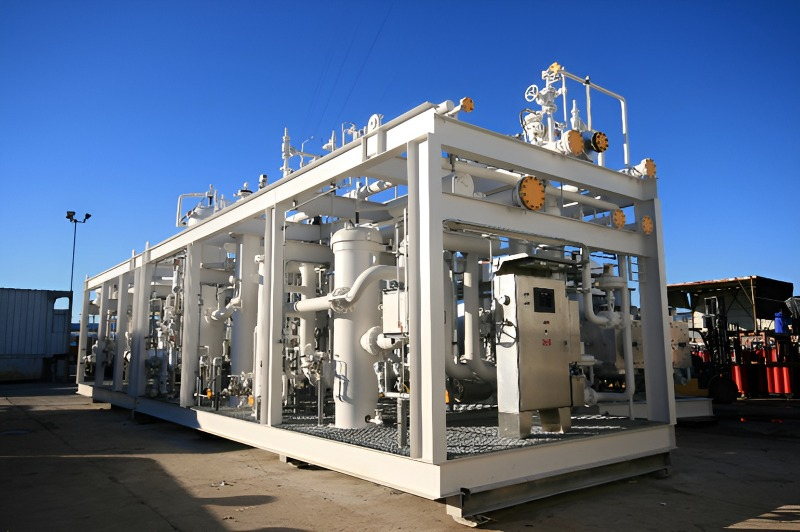
EN-FAB Inc.
EN-FAB Inc. delivers Enhanced Oil Recovery, Metering & Measurement, and Gas Gathering solutions in USA. 3916+ projects, 2141+ customers. Get a quote! Our experience in the design and fabrication of skid mounted and modular production systems spans over 35 years. EN-FAB provide fully integrated, modular process skids for many applications including Fuel Gas Pressure Reduction Systems, Chemical Injection Systems, LACT (Lease Automatic Custody Transfer) units Fuel Gas Conditioning Systems. AI-Powered Packaged Production Systems.
📍 3905 Jensen Drive Houston, Texas 77026 USA

Qwickbridge Sync
QuickBooks Integration by Qwickbridge Sync Online Desktop Custom Qwickbridge Sync connects QuickBooks Online and Desktop with business apps through custom integrations, reducing manual work and improving data accuracy.
📍 15500 Voss Road,Suite #636 Sugar Land, TX 77498
Map of Businesses in Houston
All Listings in Houston
4 businesses
Pioneer Engineering, LLC
Engineer
Stress Engineering Services, Inc
Engineering consultant
Freese and Nichols
Engineering consultant
Pape-Dawson Engineers
Engineering consultantAbout engineers in Houston
Here's a number that stopped me mid-coffee at Blacksmith on Washington Ave: Houston has roughly 22,000 licensed professional engineers registered with the state, more than Dallas and Austin combined, per Texas Board of Professional Engineers data. That's not a typo. This is a city built by engineers, quite literally—every pipeline, every high-rise near the Galleria, every refinery hugging the Ship Channel got here because someone ran the calculations first. The demand right now is wild, and it's not just oil and gas anymore (though let's be honest, that's still the backbone). Houston's population grew 1.6% last year alone, hitting 2.3 million in the city proper and pushing past 7.3 million metro-wide. That growth means infrastructure projects everywhere—TxDOT's I-45 rebuild, the Ion District expansion in Midtown, all those new master-planned communities out in Fulshear and Katy. Structural engineers, civil engineers, environmental compliance folks—they're all booked out months in advance right now. Who's hiring engineers here? It's a mixed bag that honestly surprised me when I started digging into it years ago. You've got major energy companies (Chevron just moved their HQ downtown, remember), but also homeowners needing foundation engineers because of our joyful clay soil situation, developers doing due diligence reports, small manufacturers needing process engineers. The market's split maybe 60/40 between commercial/industrial contracts and residential or small-business work. Average project fees range from $2,500 for a basic residential structural assessment to upwards of $180,000 for commercial site engineering—according to local firm quotes I've collected over the years.
The Energy Corridor
- Area Profile: West Houston near I-10, corporate, high income—median household income around $98,000. Home to Shell, BP satellite offices, ConocoPhillips.
- Engineers Activity: Petroleum engineers, process engineers, heavy industrial consulting. This is where the big firms cluster.
- Price Range: Corporate contracts often $50K-$500K+ depending on scope.
- Local Note: Traffic on Eldridge Parkway during shift change tells you everything about how many engineers work this corridor daily.
The Heights
- Area Profile: Gentrified, older housing stock (a lot of 1920s-1940s bungalows), median income climbing past $95,000 as newcomers replace old-timers.
- Engineers Activity: Structural and foundation engineers stay busy here—these old homes need foundation repairs constantly thanks to soil movement.
- Price Range: $400-$1,200 for foundation assessments, $3,000+ for full structural reports.
- Local Note: Any contractor doing a renovation on 19th Street will tell you—get the engineer's report before you buy, not after.
Sugar Land / Fort Bend County
- Area Profile: Suburban, family-oriented, one of the most diverse counties in the US. Median household income around $110,000.
- Engineers Activity: Civil engineers for new subdivisions, drainage engineers (flood mitigation is huge post-Harvey), HVAC/mechanical for new commercial builds.
- Price Range: Subdivision civil engineering runs $75K-$300K per development phase.
- Local Note: Post-Harvey, every new development here requires detention pond engineering—it's non-negotiable now.
East End / Second Ward
- Area Profile: Historically industrial, rapidly changing, median income lower (~$48,000) but rising fast with new development.
- Engineers Activity: Environmental engineers doing site remediation, industrial engineers converting old warehouses.
- Price Range: Environmental assessments $5,000-$40,000 depending on contamination history.
- Local Note: Old rail yards and industrial sites mean Phase I/Phase II environmental reports are almost always required before redevelopment.
📊 Current Price Points:
- Budget options: $150-$800 (basic residential inspections, simple permit drawings)
- Mid-range: $2,500-$25,000 (structural assessments, small commercial projects, most popular segment)
- Premium: $50,000+ (large commercial, industrial process design, master-planned infrastructure)
📈 Market Trends: Demand is up about 11% year-over-year, driven mostly by residential foundation work (thanks, clay soil and last summer's drought) and continued industrial expansion. Supply is actually tightening—Texas is short an estimated 8,000 engineers statewide according to industry association reports, and Houston firms are feeling it. Pricing's climbed roughly 6-9% since 2024, faster than general inflation. Seasonal patterns matter here more than people think. Spring brings a surge in foundation inspections (soil shrinks in summer heat, swells after fall rain—cracks show up in spring). Hurricane season (June-November) spikes demand for structural and flood engineering assessments, especially any year we get a scare like Beryl in 2024. Average time to close a residential engineering contract: 2-3 weeks. Commercial contracts: 3-6 months from RFP to signed agreement. 💰 What People Are Spending:
- Foundation/structural assessments — average $3,200
- Civil site engineering for small commercial — average $28,000
- Environmental Phase I reports — average $4,500
- MEP design for mid-size commercial — average $65,000
- Residential drainage/flood engineering — average $6,800
Houston metro's growing around 1.8% annually, outpacing the national average. Major employers still lean energy—ExxonMobil, Chevron, Phillips 66—but healthcare (Texas Medical Center, the largest medical complex on the planet, no exaggeration) and aerospace (NASA's Johnson Space Center plus a growing commercial space sector out in Clear Lake) are diversifying things fast. Median household income sits around $65,000 citywide, actually a bit below the Texas state median of $73,000, though that gap is closing as higher-income suburbs get annexed into metro stats. New development driving engineer demand right now: the East River project near downtown, continued build-out at Generation Park off Beltway 8, and honestly the sheer volume of single-family construction happening in Bridgeland and Cane Island out west. Local Market Dynamics: Competition's fragmented—no single firm dominates. You've got massive players like Jacobs and Fluor headquartered here, then hundreds of small 5-10 person specialty firms. That fragmentation is actually good for customers; you're not stuck with one price. How This Affects Buyers/Customers: If you're a homeowner in Meyerland needing a foundation engineer after this year's dry spell, you're competing for attention with billion-dollar industrial contracts. I've seen homeowners wait 4-6 weeks for a residential engineer during peak season simply because commercial work pays better and gets prioritized. Book early.
- ☀️ Spring/Summer: High demand, foundation cracks show up, hurricane prep season starts—expect to wait 3-4 weeks for non-emergency work
- 🍂 Fall: Moderate demand, good window for negotiating commercial contracts before year-end budget deadlines
- ❄️ Winter: Slowest season, best time for deals—firms are hungry for December/January work, sometimes 10-15% cheaper
- 📅 Peak months: May through August is peak; November-January is negotiation season
Best deals happen right after the holidays when firms are trying to fill Q1 pipelines. Inventory of available engineer time peaks in winter. Hurricane season (June 1-Nov 30) creates urgency spikes—if a storm's in the Gulf, forget getting fast turnaround on anything. Expect the full process, from initial consult to final stamped report, to run 3-8 weeks depending on complexity. Smart Timing Tips:
- ✓ Book foundation assessments in January-February, before spring demand hits
- ✓ Avoid scheduling anything urgent during active hurricane watches—firms prioritize storm damage assessments
- ✓ Negotiate commercial contracts in Q4 when firms want to close out fiscal year numbers
- ✓ Ask about off-season discounts—many smaller firms will work with you in December
Any engineer stamping documents in Texas needs a PE (Professional Engineer) license through the Texas Board of Professional Engineers and Land Surveyors (TBPELS)—that's the real regulatory body, verify licenses directly on their website. Membership in ASCE (American Society of Civil Engineers) or TSPE (Texas Society of Professional Engineers) is a good secondary signal, not mandatory but shows engagement. Questions to Ask: How many years operating specifically in Houston (not just Texas broadly—our soil, flood zones, and building codes are their own animal). Ask for three local references, ideally within the last year. Get pricing in writing before any site visit. ⚠️ Red Flags Specific to Houston engineers:
- "Storm chaser" engineers who show up after hurricanes offering rushed assessments—often unlicensed or out-of-state
- Anyone quoting a price without seeing the property first
- No verifiable TBPELS license number when asked directly
- Pressure to sign same-day, especially for foundation repair recommendations tied to a specific contractor kickback
TBPELS website has a public complaint search tool—use it. BBB Houston chapter tracks patterns on contractor-adjacent engineering firms. On Google/Yelp, watch for reviews mentioning "never received stamped report" or "changed the quote after inspection"—that's a recurring complaint pattern locally.
✓ Established presence in Houston (not just passing through)
✓ Verifiable local reviews and references
✓ Transparent pricing, no hidden fees
✓ Clear process explained upfront
✓ Responsive communication
Check Reviews & Ratings
We recommend verifying businesses through trusted review platforms before making a decision.
Frequently Asked Questions
Popular Categories in Houston
Explore Other Cities
⚡ Electricians near Houston
Professional Categories in Houston, TX
Related Services from Similar Professionals