Irving's Go-To Engineers for Every Project
Looking for solid engineering talent in Irving? You're in the right place — check out the directory below and start connecting with local pros.
Map of Businesses in Irving
All Listings in Irving
7 businesses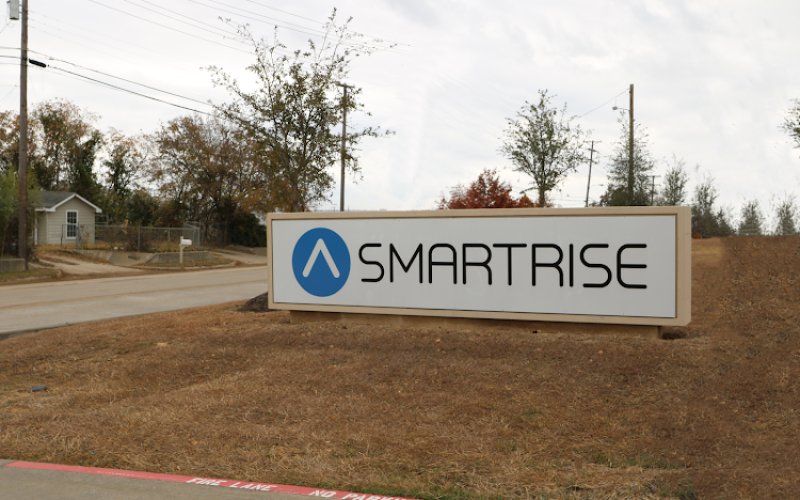
Smartrise Engineering
Elevator manufacturer
CKL Engineers
Engineering consultant

Elite Engineering Designs
Structural engineer
Providence Engineering & Environmental Group LLC
Engineering consultant
Tower Engineering Solutions
Corporate office
Wiss, Janney, Elstner Associates, Inc.
Engineering consultantAbout engineers in Irving
Here's something people don't think about: Irving sits on a mix of clay-heavy soils and older mid-century development mixed with newer corporate-campus construction, which means the engineering needs here are genuinely more varied than in a city built in one era.
The engineering scene in a city like Irving tends to split into a few camps. You've got solo practitioners and small consulting shops handling residential work — foundation evaluations, drainage issues, that kind of thing — and then larger firms that handle commercial buildout, municipal infrastructure, and the structural work tied to bigger development projects. Both exist here, and honestly, which one you need depends entirely on what you're dealing with.
Demand for engineers generally tracks what's happening with construction and renovation activity. New builds need design and permitting sign-off. Older homes and commercial buildings need evaluations when something looks off, or when an insurance claim or real estate transaction requires documentation. Add in Texas's clay soil (which shifts more than people expect) and you get a steady baseline of foundation-related inquiries alone.
Who's actually hiring? A wide range — homeowners dealing with a crack that's got them nervous, contractors who need stamped plans before a permit gets approved, developers moving through the entitlement process, and municipal or property management groups needing periodic inspections. It's not one type of client. That's actually part of why this market supports both small independent engineers and bigger firms.
Las Colinas
- Area Character: Master-planned, corporate-heavy, known for its canal system, high-rise office buildings, and newer mixed-use development.
- Engineers Relevance: Commercial and structural engineering demand tends to run higher here given the density of office towers and ongoing buildout — think structural reviews, MEP coordination, and site development work.
- Good to Know: If your project touches the canal or lake system, expect additional layers of review — anything near water features usually means more coordination, not less.
Irving Heights / Original Irving (Central Irving)
- Area Character: Older, established residential streets closer to downtown Irving — smaller lots, more mid-century housing stock.
- Engineers Relevance: Older homes here mean foundation assessments and structural evaluations come up more often, simply because the building stock has more years on it.
- Good to Know: If you're buying an older home in this part of town, a foundation evaluation before closing is rarely a wasted expense.
Valley Ranch
- Area Character: Suburban, residential-heavy, developed mostly in the late 20th century with planned communities and golf-course-adjacent housing.
- Engineers Relevance: Drainage and grading questions tend to surface here, particularly for homes near retention areas or the golf course boundaries.
- Good to Know: Ask your HOA about any documented drainage or easement issues before you assume a problem is isolated to your lot.
📐 What Drives the Price:
- Scope matters more than almost anything else — a quick visual inspection costs a fraction of a full structural design with stamped drawings.
- Complexity, site access, and whether you need a rush turnaround all push price up or down.
- Whether the deliverable is just a written opinion versus a fully stamped, permit-ready report changes the labor involved significantly.
- Getting multiple local quotes is really the only honest way to know what current pricing looks like — costs shift with material prices, demand, and even the season, so treat any number you see online as a rough starting point, not gospel.
📈 General Patterns:
Demand for engineers generally rises and falls with local construction and renovation activity — busier building seasons mean busier engineers, which can affect both price and availability. Timelines depend heavily on site visit scheduling, how backed up local permitting offices are, and how complicated the project itself turns out to be once someone's actually looked at it.
- Get at least three quotes and make sure each one is quoting the same scope of work — apples to apples, not a visual inspection compared against a full report.
- Ask upfront whether the quote includes the stamped report or just a consultation, since that distinction changes the price conversation entirely.
- Be wary of a quote given before anyone has seen the site — a real number usually follows a real look at the property.
An engineer who's worked in Irving regularly already understands the soil behavior, the general permitting rhythm at the city level, and what building types are common in which parts of town. That's not something you can fake with a quick site visit if you're flying in from three counties over.
There's also the practical matter of follow-up. If a question comes up six months after the report is filed, a local engineer is far easier to reach, and their track record is something you can actually verify by asking around rather than trusting a website.
What This Means for You:Practically, it means fewer surprises. A local engineer isn't guessing about how Irving's permitting office typically handles a submission — they've been through it. That familiarity tends to translate into fewer delays and fewer redo requests down the line.
- ☀️ Spring/Summer: Typically the busiest stretch, as construction and renovation season ramps up broadly across most markets.
- 🍂 Fall: Often still active, especially for projects trying to close out before winter or before year-end permit deadlines.
- ❄️ Winter: Frequently a planning and permitting phase — a good window to line up engineers for spring projects before the rush hits.
- 📅 Larger or permit-dependent projects benefit from booking well ahead, since design and review cycles simply take time regardless of season.
✓ Book your engineer before you're up against a permit deadline — rushed work rarely turns out cheaper.
✓ If your project isn't urgent, winter is often a good time to get on someone's calendar before spring demand hits.
✓ Ask directly about current turnaround times — they shift throughout the year and a quick question saves a lot of guessing.
✓ For foundation or drainage concerns, don't wait for a dry season to get things checked — problems show up more clearly after heavy rain, which can actually work in your favor.
Confirm the engineer holds a valid, active Professional Engineer (PE) license appropriate to your project's discipline — structural, civil, geotechnical, whatever applies. You can check current license status with TX's professional engineering licensing board rather than just taking someone's word for it.
Beyond the license itself, look for actual experience with your specific project type, and check reviews across more than one platform — a pattern across sources tells you more than a single five-star cluster ever will.
Questions to Ask:How long have they operated in the Irving area? Can they provide references from similar local projects? And critically — will the final deliverable be a professionally stamped report or plan, and what exactly does that process look like from start to finish?
⚠️ General Red Flags:
- Hesitation or vagueness when asked to confirm their PE license is current and in good standing.
- No willingness to provide local references or past project examples.
- Pricing quoted with no site visit and no clear scope attached.
- Pressure to skip a stamped report to save money on a project where one is clearly needed.
Start with TX's professional engineering licensing board or your state's consumer protection office — both typically track formal complaints. Cross-reference with the BBB, and read Google reviews looking specifically for repeated complaints about missed deadlines, poor communication, or reports that didn't hold up under permitting review.
✓ Established presence in Irving (not just passing through)
✓ Verifiable local reviews and references
✓ Transparent pricing, no hidden fees
✓ Clear process and deliverables explained upfront
✓ Responsive communication
Check Reviews & Ratings
We recommend verifying businesses through trusted review platforms before making a decision.
Frequently Asked Questions
Popular Categories in Irving
Explore Other Cities
⚡ Electricians near Irving
Professional Categories in Irving, TX
Related Services from Similar Professionals