Need Engineers in Pittsburgh? Find Top-Rated Pros Now
Welcome to your local engineers directory in Pittsburgh, PA. Find trusted professionals in your area.
Map of Businesses in Pittsburgh
All Listings in Pittsburgh
7 businesses
Atlantic Engineering Services of Pittsburgh | Structural Engineers
Structural engineer
LLI Engineering, Inc.
Engineer
Pittsburgh Design & Engineering Services LLC
Structural engineer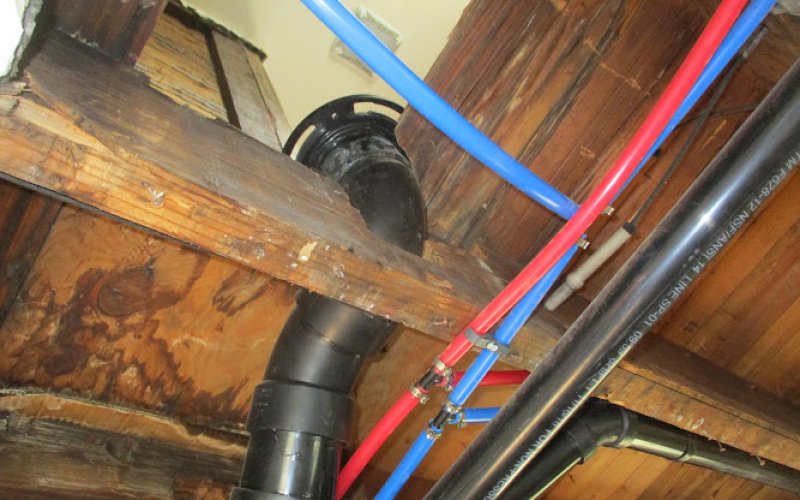
Reliable Structural Engineers LLC
Structural engineer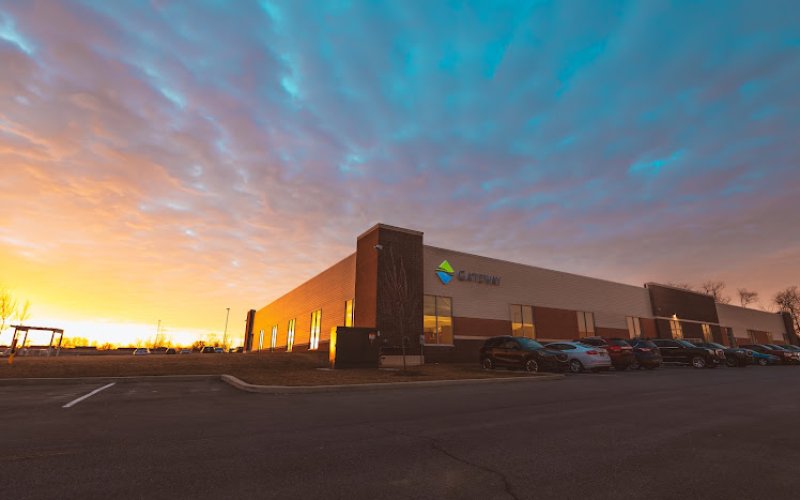
The Gateway Engineers, Inc
Engineer
Tower Engineering, Inc.
Engineer
KLH Engineers, Inc.
Engineering consultantAbout engineers in Pittsburgh
Here's a number that surprised me when I first pulled it: Pittsburgh has more engineers per capita than Austin. Yeah, the city everyone name-drops as the tech mecca. Per Bureau of Labor Statistics data, the Pittsburgh metro clocks in around 38,000 working engineers across disciplines—civil, structural, mechanical, software, environmental—and that number's climbed roughly 6.2% since 2021. Old-timers will tell you this is just Pittsburgh being Pittsburgh again. We built the bridges, the steel mills, the whole industrial backbone of the country. Now it's robotics labs at CMU and autonomous vehicle testing on the Boulevard of the Allies instead of open-hearth furnaces, but the engineering DNA never left.
What's driving the current demand? Three things, really. Carnegie Mellon and Pitt keep churning out talent (CMU's engineering program alone graduates about 1,400 students a year), the region's infrastructure is aging hard—some bridges here are pushing 90 years old—and healthcare/tech investment keeps stacking up. UPMC and Highmark aren't hiring civil engineers, obviously, but their expansion projects generate massive demand for structural and MEP engineering firms. Add in the Allegheny County bridge inspection backlog (yes, this is still a thing post-Fern Hollow) and you've got sustained work that isn't going anywhere.
Market size-wise, this directory's 10 listed firms represent a fraction of the roughly 340 registered engineering businesses operating in Allegheny County, according to PA licensing board filings. Typical project transactions range from $8,000 residential structural assessments to multi-million dollar municipal contracts. Your average customer? Split pretty evenly between homeowners needing structural sign-off, small developers doing infill projects in Lawrenceville or Bloomfield, and municipalities dealing with the aforementioned crumbling infrastructure. What makes Pittsburgh different from, say, Columbus or Cleveland—our topography is brutal. Hillsides, rivers, century-old foundations. You need engineers who actually understand this terrain, not generic templates.
Oakland
- Area Profile: University-dense, median household income around $31,000 (skewed low by student population), but massive institutional spending power nearby via Pitt and CMU.
- engineers Activity: Heavy demand for structural and MEP engineers tied to university building projects and lab renovations.
- Price Range: $15,000-$250,000+ depending on scope—institutional work skews premium.
- Local Note: Parking and access restrictions near campus mean firms here need serious logistics experience, not just technical chops.
Lawrenceville
- Area Profile: Gentrified fast—median home price up around 68% since 2018. Young professionals, artists-turned-homeowners, lots of century-old rowhouses.
- engineers Activity: Structural assessments for renovations dominate. Foundation work is huge because half these buildings predate 1920.
- Price Range: $3,500-$12,000 for typical residential structural reports.
- Local Note: I've seen contractors here get burned skipping the structural engineer step—old brick doesn't forgive shortcuts.
Shadyside
- Area Profile: Higher income bracket, median household income near $78,000, established homeowners, lots of historic properties.
- engineers Activity: Historic preservation engineering, additions, and high-end renovation structural work.
- Price Range: $10,000-$45,000 for comprehensive projects.
- Local Note: Historic district rules mean engineers here need familiarity with preservation guidelines—not every firm bothers to learn them.
South Side Flats
- Area Profile: Mixed—young renters, some legacy homeowners, flood zone concerns near the river.
- engineers Activity: Flood mitigation and drainage engineering is surprisingly big business here, plus mixed-use development structural work.
- Price Range: $6,000-$30,000.
- Local Note: After the 2018 flooding events, demand for stormwater engineering jumped noticeably—this isn't going away with climate patterns shifting.
📊 Current Price Points:
- Budget options: $2,500-$6,000 (basic residential inspections, simple permit drawings)
- Mid-range: $8,000-$40,000 (most popular segment—renovations, small commercial, structural certs)
- Premium: $50,000+ (institutional, large commercial, multi-phase infrastructure)
📈 Market Trends: Demand's up about 9% year-over-year, driven largely by that renovation wave hitting Lawrenceville, Bloomfield, and Polish Hill. Supply hasn't kept pace—several firms report 4-6 week waitlists for initial consultations, up from maybe 2 weeks in 2022. Pricing's trending up too, roughly 5-7% annually, tracking slightly above general inflation because material costs and liability insurance for engineers have both spiked. Spring and early summer are the crunch months—everyone wants permits filed before construction season. Average time to close a residential engineering contract runs 3-5 weeks from first call to signed report; commercial work stretches to 3-4 months easily.
💰 What People Are Spending:
- Structural assessments (renovation/addition): avg $4,200
- Foundation inspections: avg $2,800
- Commercial site civil engineering: avg $65,000
- Stormwater/drainage design: avg $9,500
- MEP engineering for institutional buildouts: avg $120,000
Economic Indicators: Allegheny County's population has actually stabilized after decades of decline—up a modest 0.4% last year, first positive movement in a while. Major employers driving engineering demand include UPMC, PNC, Google's Bakery Square office, and a growing robotics/autonomous vehicle cluster (Argo AI's shutdown stung, but Aurora and others picked up slack). New development to watch: the Hazelwood Green site, that 178-acre former LTV Steel property getting redeveloped with serious civil and environmental engineering needs. Median household income sits around $58,000 for the metro, a touch below the state average of $63,000, but that gap's closing.
Local Market Dynamics: Demand here isn't speculative like in boomtowns—it's need-driven. Bridges need inspecting (Pittsburgh has more bridges than Venice, seriously, over 440 of them), old housing stock needs structural sign-off, and institutional expansion keeps rolling. Competition among the roughly 340 registered firms is real but not cutthroat—specialization matters more than price wars. A firm doing hillside stabilization in Mount Washington isn't competing directly with someone doing MEP work for a hospital wing.
How This Affects Buyers/Customers: Practically, this means longer wait times but generally solid quality—firms can't survive on volume alone here, they survive on reputation. I've seen homeowners in Beechview get quoted 6 weeks out for a foundation assessment simply because good structural engineers are stretched thin. Book early, especially spring.
Pittsburgh Seasonal Patterns:
- ☀️ Spring/Summer: Peak demand, permit season, expect 4-6 week lead times
- 🍂 Fall: Second busiest—developers rushing to close projects before winter halts construction
- ❄️ Winter: Slowdown of roughly 25-30%, best window for negotiating rates or faster scheduling
- 📅 Peak months: March through June—act fast or expect delays; November-January is negotiation season
Timing Tips for Pittsburgh: Winter is genuinely your friend here if you're not in a rush. Firms have more availability, sometimes offer better rates just to keep staff busy. Tax season (Feb-April) doesn't affect engineering demand directly, but it does affect homeowner cash flow, so a lot of renovation-related engineering work clusters right after refund season hits, around late April.
Smart Timing Tips:
✓ Book structural assessments in January-February for spring construction starts
✓ Avoid May-June if you want fast turnaround—everyone's competing for the same slots
✓ Ask about winter discount pricing, some firms will flex
✓ Budget extra time if your project touches a historic district—reviews add 2-3 weeks minimum
Credentials to Verify: Look for PE (Professional Engineer) licensure through the Pennsylvania State Board of Engineers, Land Surveyors and Geologists—that's the real regulatory body, not some vague "certified" claim. Check membership in ASCE (American Society of Civil Engineers) or PSPE (Pennsylvania Society of Professional Engineers) for extra legitimacy signals. For reputation, Google reviews matter, but honestly the Better Business Bureau complaint history tells you more for this industry than star ratings do.
Questions to Ask: How long have they operated specifically in Pittsburgh (not just "the region")? Can they provide two or three local references, ideally from your neighborhood type? Are they upfront about fee structure—flat fee vs hourly vs percentage of project cost?
⚠️ Red Flags Specific to Pittsburgh engineers:
- Firms quoting flood/drainage work without mentioning Allegheny County's specific stormwater ordinances—means they haven't done real local work
- No PE stamp offered on final reports (this is often required legally, and shady operators skip it)
- Vague answers about hillside or slope stability experience—critical here given our terrain, and a dodge signals inexperience
- Pressure to sign before providing a written scope of work
Where to Check Complaints: PA Department of State licensing lookup, BBB Western PA chapter, and honestly—check Nextdoor for your specific neighborhood. Locals talk, especially in places like Squirrel Hill or Highland Park where word travels fast about bad contractors.
✓ Established presence in Pittsburgh (not just passing through)
✓ Verifiable local reviews and references
✓ Transparent pricing, no hidden fees
✓ Clear process explained upfront
✓ Responsive communication
Check Reviews & Ratings
We recommend verifying businesses through trusted review platforms before making a decision.
Frequently Asked Questions
Popular Categories in Pittsburgh
Explore Other Cities
⚡ Electricians near Pittsburgh
Professional Categories in Pittsburgh, PA
Related Services from Similar Professionals